
A Capitol-Flown Flag: What Its Certificate Can Tell You
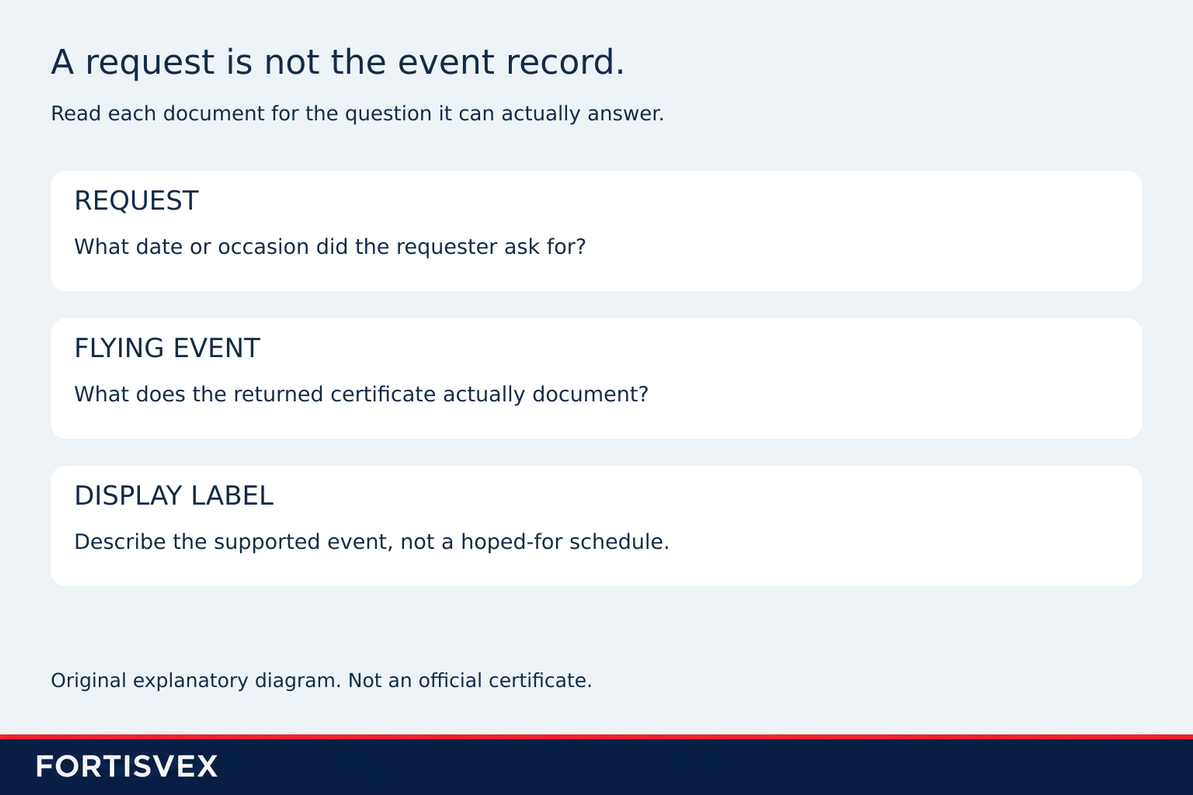
A flag described as “flown over the Capitol” carries a claim about an event, not simply a description of its design. The useful evidence is the accompanying record. Before writing a gift inscription or display caption, read what the certificate actually says and distinguish it from what someone originally requested.
A requested birthday, retirement date or anniversary may explain why a flag was ordered. That request alone does not document when the flag flew. Keeping those two pieces of information separate lets a meaningful gift retain an accurate story.
What the Capitol Flag Program documents
The Architect of the Capitol’s program page explains that the AOC fulfills requests from members of the U.S. Senate and House of Representatives. After a flag is flown over the U.S. Capitol, the AOC issues a keepsake Certificate of Authenticity. Members’ offices are the public route for obtaining a flag through this program.
The AOC also describes operational limits: flying is weather permitting, with Thanksgiving Day, Christmas Day and New Year’s Day excluded. Do not turn a requested date into a promise that the event will occur on that date. Ask the congressional office handling a request about its current process rather than treating an old order form or another office’s instructions as interchangeable.
“Pre-flown” and a particular occasion are different choices
One current office page illustrates why the distinction matters. Senator Tim Kaine’s flag-request page, serving Virginia constituents and organizations, distinguishes pre-flown flags from requests associated with a selected date, person or occasion. It says its pre-flown option does not include a customizable certificate with those specific details.
That is an example of this office’s published options, not a nationwide specification for every congressional office. A reader elsewhere should use the office handling their request. This article does not transfer Kaine’s ordering deadlines, processing times or customization terms to another office, and it does not offer a booking or delivery guarantee.
Build a caption from the returned record
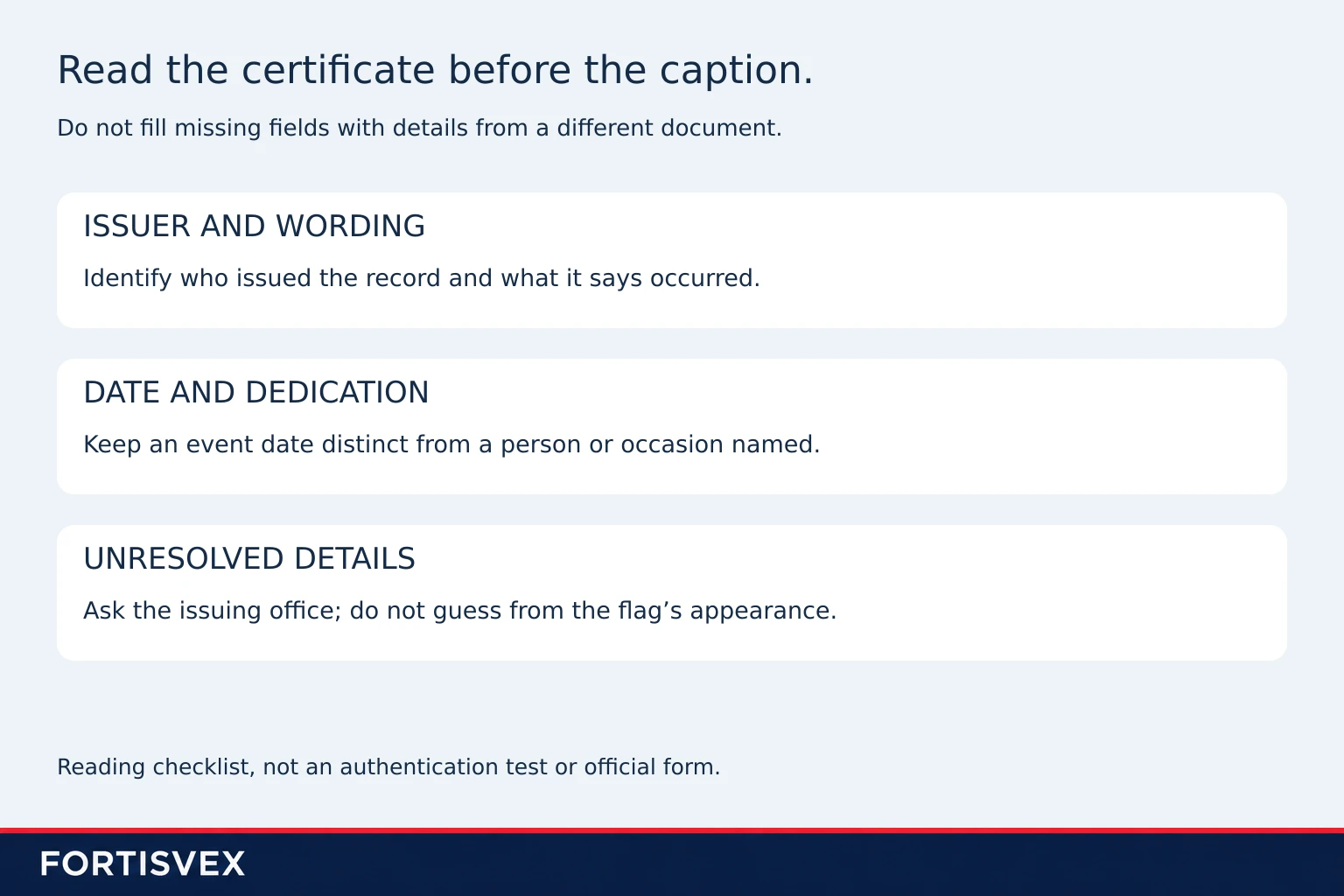
Start with the issuer and the event described. Then look for a date and any dedication. A person’s birthday mentioned in a gift note and a date recorded for flying are not automatically the same fact. If two documents appear inconsistent, keep both and ask the issuing office to clarify; do not quietly replace one date with the other.
For example, “Requested as a retirement gift” describes the purpose of an order. A statement that the flag flew on a particular day requires supporting event documentation. These are examples of different claims, not sample wording from an official certificate. There is no need to reproduce a government seal or invent a certificate layout to explain the distinction.
If the flag changes hands, our family flag provenance guide explains how to retain the association between an object, its papers and the people who supplied its story. A certificate found nearby should not be assigned to a particular flag without a basis for that association. This article provides a reading method, not authentication or appraisal.
A certificate is not a display specification
Once the event record is clear, choose a display separately. The phrase “Capitol-flown” does not tell you the flag’s dimensions or whether it will fit a particular case. Our flag-case fit checklist starts with the flag’s actual size and the case’s usable interior, rather than relying on a triangular appearance or a product photograph.
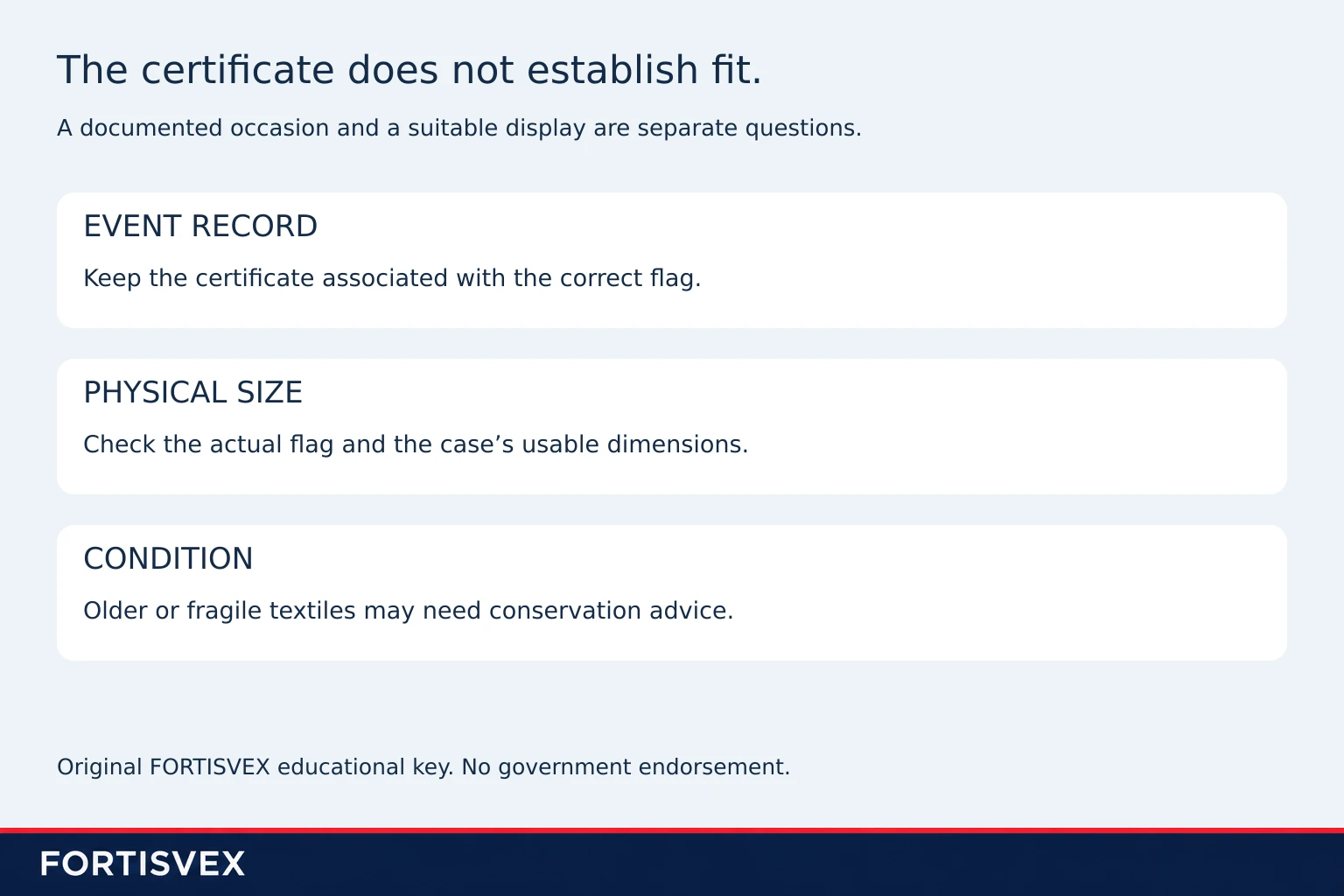
For an older or fragile flag, pause before unfolding or cleaning it to answer a display question. The inherited-flag preservation guide addresses when to seek advice about condition and support. A modern gift and a delicate inherited textile need not be handled as though they present the same problem.
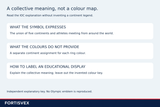
FORTISVEX publishes this independent explanation to help readers separate a request, a documented occasion and a practical display choice. The original diagrams are educational checklists, not official certificates. They do not authenticate an object or imply that FORTISVEX administers, supplies or is endorsed by the Capitol Flag Program.
Recent Posts
-

Czechia’s Flag: The Blue Wedge Reaches Halfway Along the Fly
Czechia’s flag is not fully identified by a glimpse of white above red. The blue wedge at the attach …Nov 18th 2026 -
A Capitol-Flown Flag: What Its Certificate Can Tell You
A flag described as “flown over the Capitol” carries a claim about an event, not simply a descriptio …Nov 18th 2026 -
The Olympic Flag: Why Ring Colours Are Not a Continent Key
A colour-coded continent legend can make an Olympic flag display look easy to explain. It also gives …Nov 18th 2026