To grill delicata squash on a Weber charcoal kettle, cut it into 3/4-inch crescents, sear them over the coals, then finish on the coal-free side until fork-tender. Brown the sage butter in a small grill-safe saucepan on the same kettle, and finish the squash with lemon.
Serves: 4–6. Prep: About 15 minutes. Cook: About 15–25 minutes once the grill is hot, plus 3–6 minutes for the sage butter. Equipment: Weber charcoal kettle, long tongs, clean plate, small light-colored grill-safe saucepan with a stable flat base and all-metal handle, slotted spoon, dry grill mitts, and a stable heatproof trivet.
Ingredients
2 medium delicata squash, about 1 1/2 to 2 pounds total
1 tablespoon neutral high-heat oil
1/2 teaspoon fine salt, divided
1/4 teaspoon black pepper
3 tablespoons unsalted butter
8–10 small fresh sage leaves, rinsed and completely dried
2 teaspoons lemon juice
Grill and finish
Heat an outdoor Weber charcoal kettle with coals banked on one side and a clear indirect side. Aim for about 375–425°F with the lid on. Clean the grate and have a clean plate ready. Never use a charcoal grill in a garage or other enclosed space; see CPSC charcoal safety guidance.
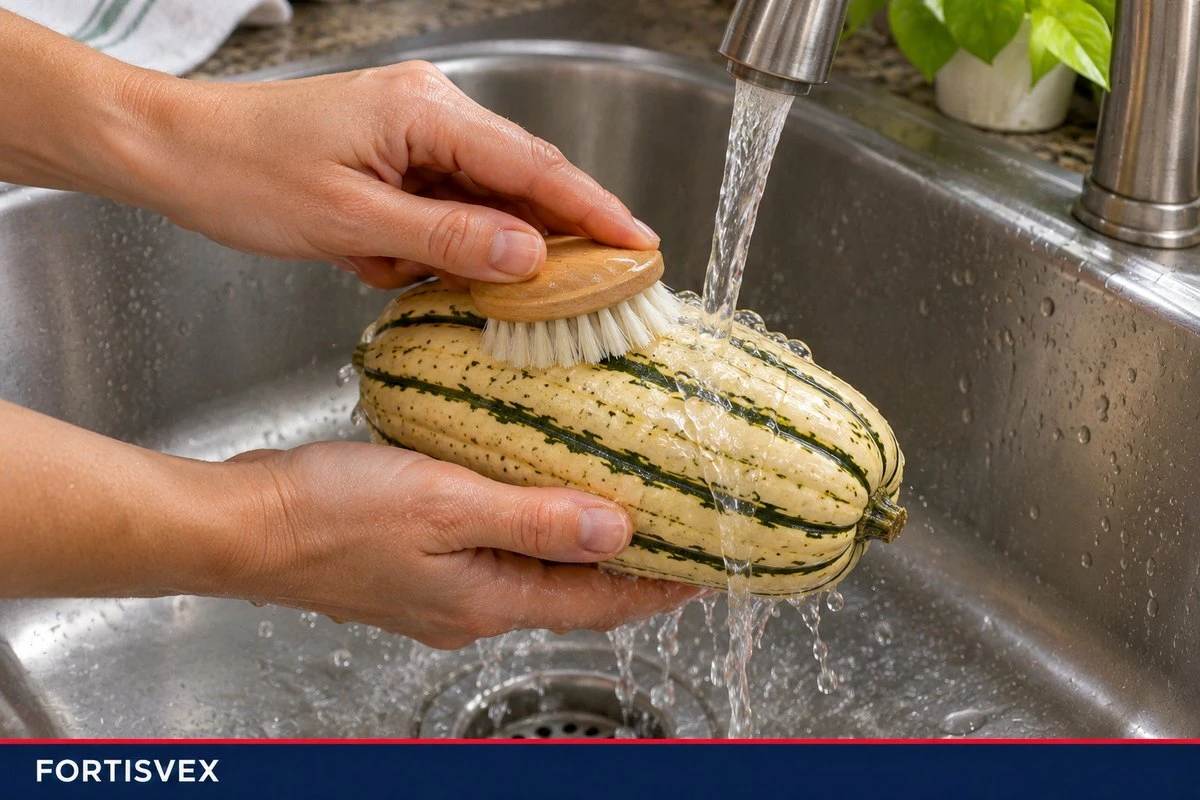
Rinse the squash under running water and scrub the skin with a clean produce brush.
Scrub the rind under running water before cutting.
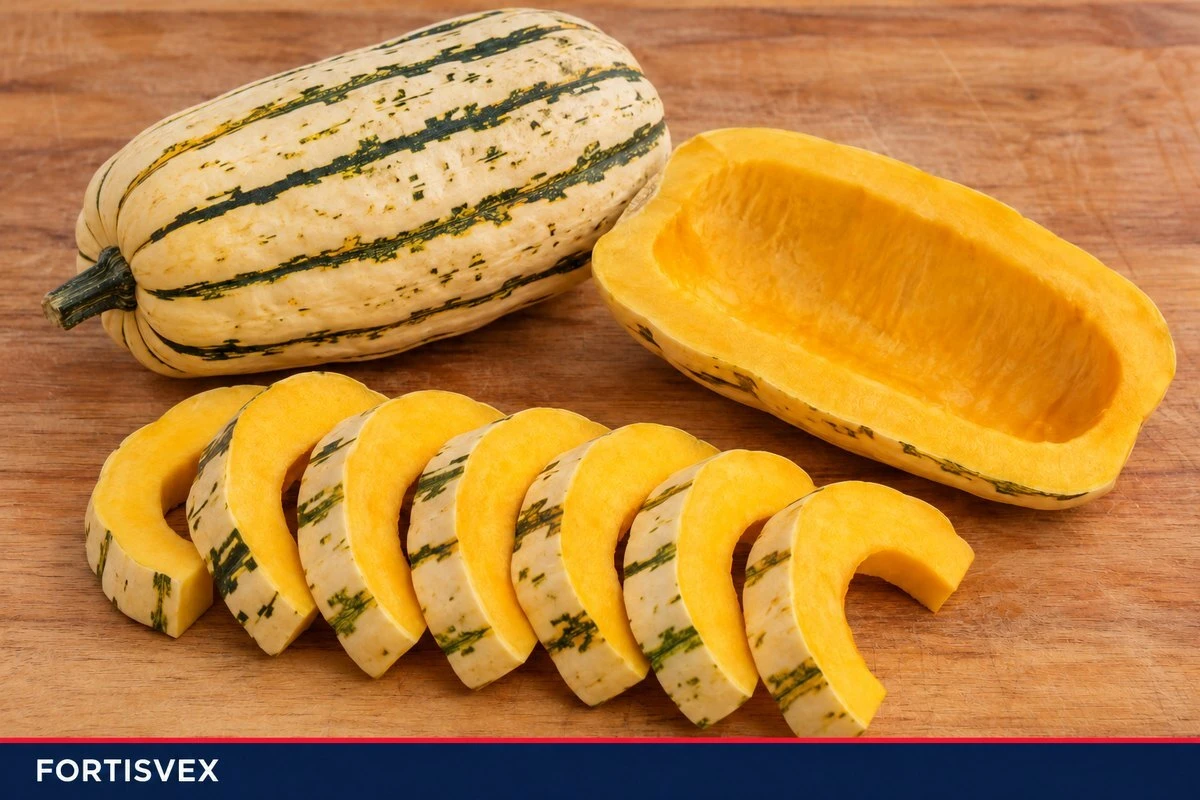
Dry, trim the ends, halve each squash lengthwise and scoop out the seeds. Slice crosswise into 3/4-inch crescents.
Slice the seeded squash into 3/4-inch crescents and leave the rind on.
Toss with oil, about half the salt and all the pepper.
Toss with just enough oil to give the cuts a thin sheen, then add salt and pepper.
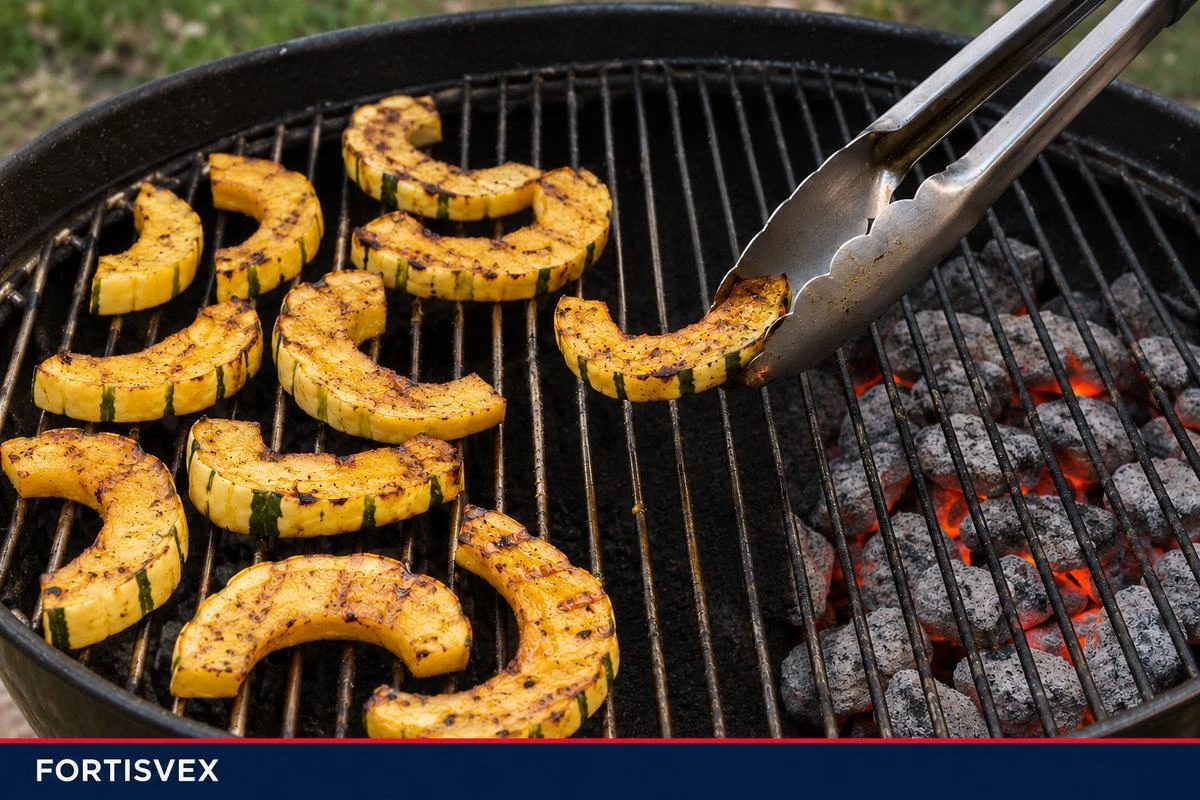
Lay the crescents over the coals. Grill until the first face has visible brown marks, about 2–4 minutes. Flip and give the second side about 2–4 minutes. Move slices earlier if they darken rapidly; the markings do not need to be uniform.
Move the pieces to the indirect side and close the lid.
Move the seared crescents away from the coals to finish with indirect heat.
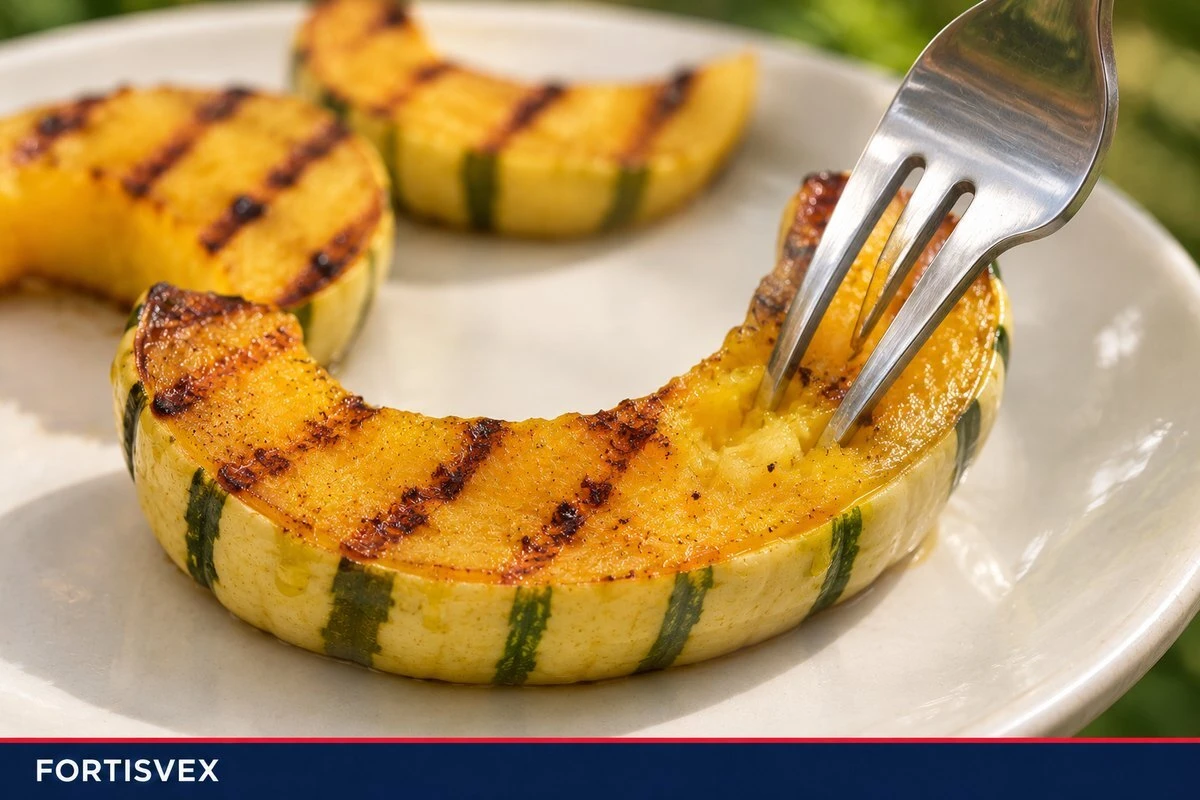
Cook until a fork slips through the thickest flesh and the rind is pleasant to bite, about 6–12 minutes. Remove any small pieces that finish first and transfer finished squash to the clean plate.
Check the thickest piece. The fork should slip through the flesh easily.
If the grate bars are widely spaced, cook on a perforated grill basket instead. You may get fewer distinct marks but will not lose slices through the grate.
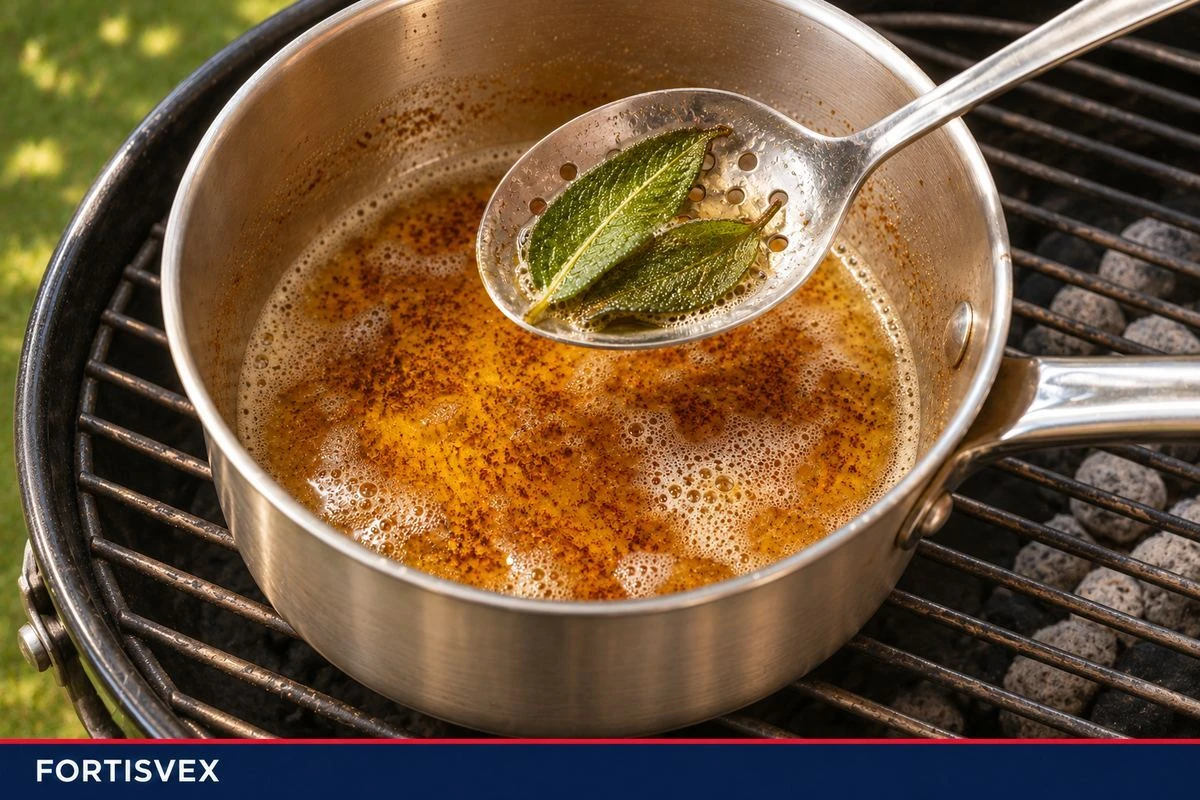
Dry the sage thoroughly so it does not spatter. After taking the squash off, set the stable saucepan on the upper cooking grate near the cooler edge of the coal bank, never directly on charcoal. Work with the lid open and the handle easy to reach. Melt the butter, add the dry leaves and swirl gently. If it foams too fast, move the pan farther off the coals with dry grill mitts. Remove the crisp leaves with a slotted spoon. When the specks on the bottom turn hazelnut-brown and the butter smells nutty, put the pan on a stable heatproof trivet and pour the butter into a heatproof bowl so residual heat does not burn it.
Move the pan off the heat when the butter solids turn hazelnut-brown.
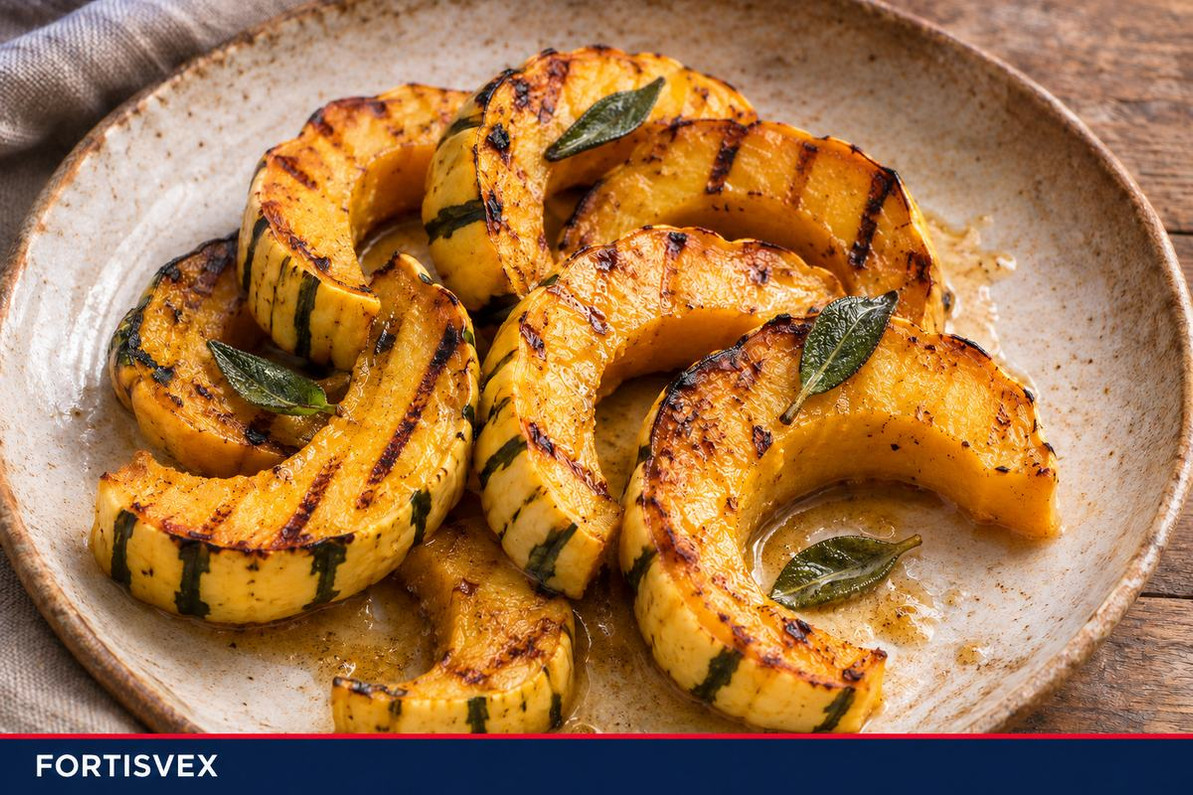
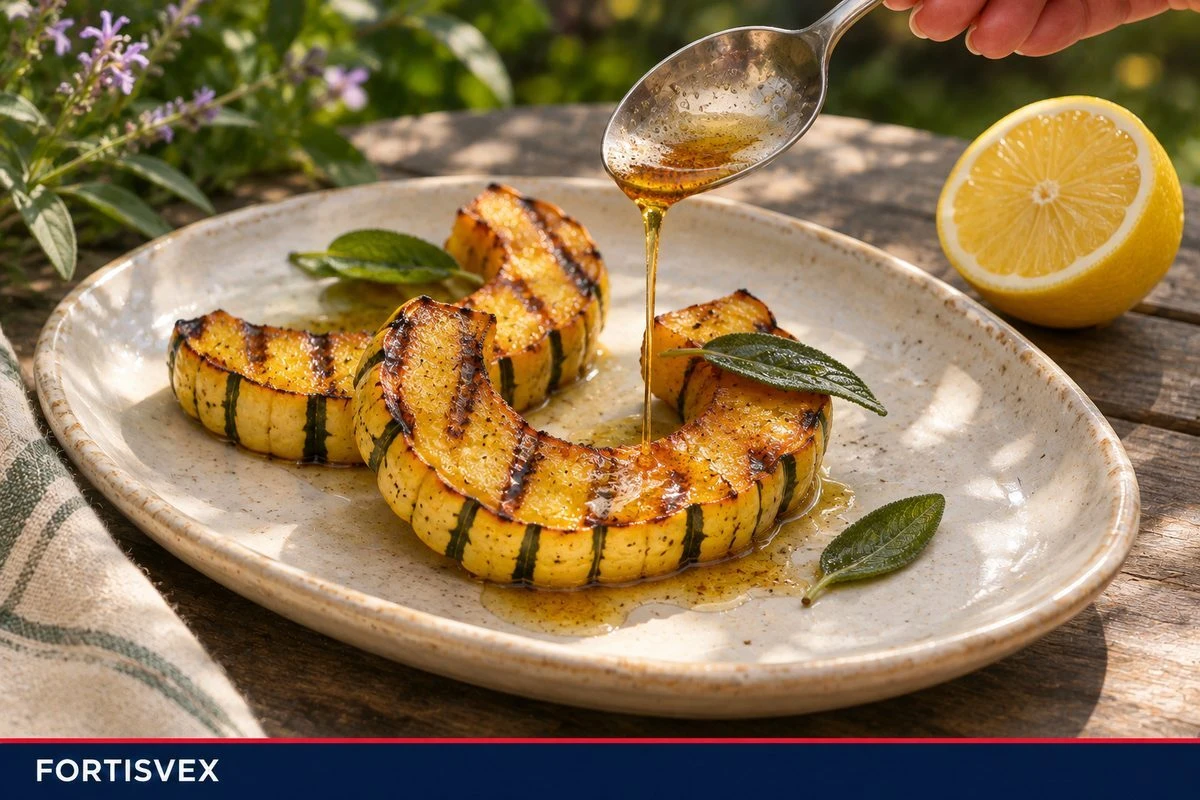
Spoon the butter and lemon juice over the warm squash. Finish with crisp sage and the remaining salt as needed.
Spoon the brown butter and lemon juice over the warm crescents, then add the crisp sage.
Refrigerate leftovers in a shallow container within 2 hours, or 1 hour when it is above 90°F. Keep at 40°F or below, use within 3–4 days and reheat to 165°F. Contains milk.