
A U.S. Flag on a Parade Float: Staff Display, Flat Display, or Decoration?
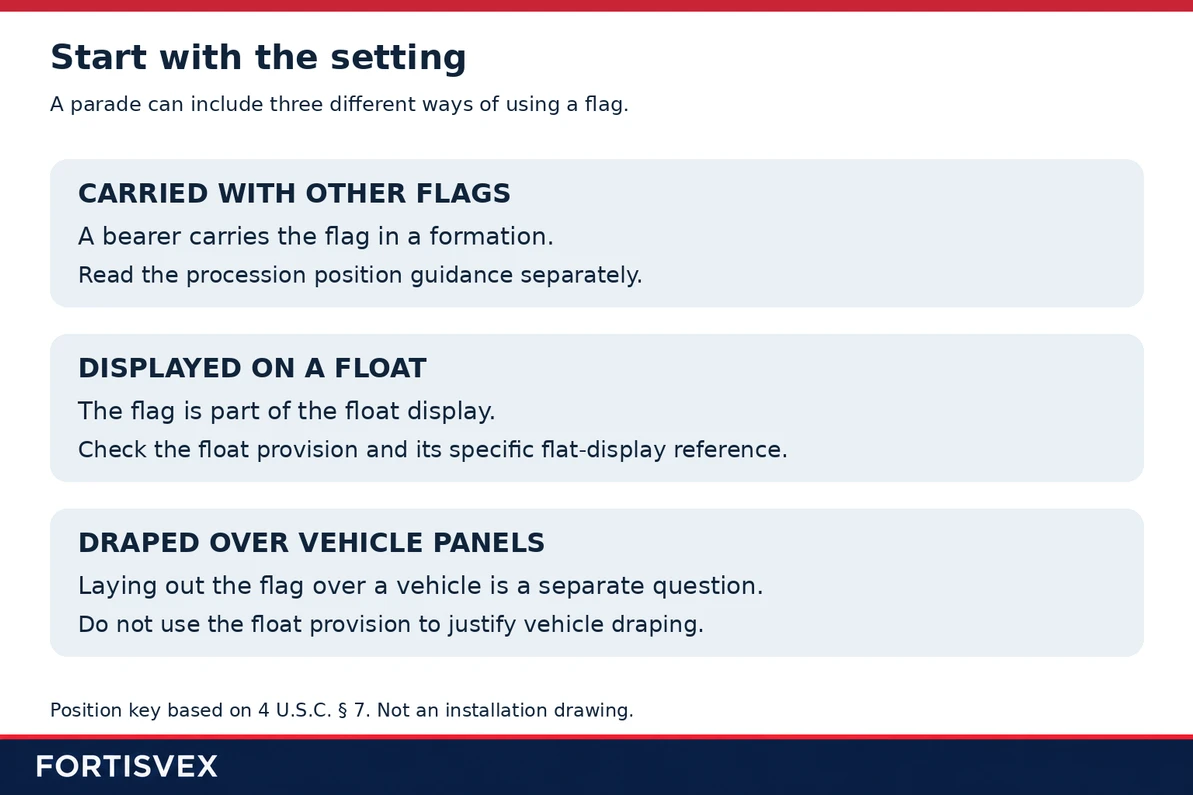
On a parade sketch, a hand-carried flag, a flag on a float and patriotic fabric on a vehicle can all look like variations on the same idea. They are different display situations. Before asking where to put a U.S. flag, identify what the flag will actually be doing: traveling with a group of bearers, displayed on a float, or laid across part of a vehicle.
Read the float provision first
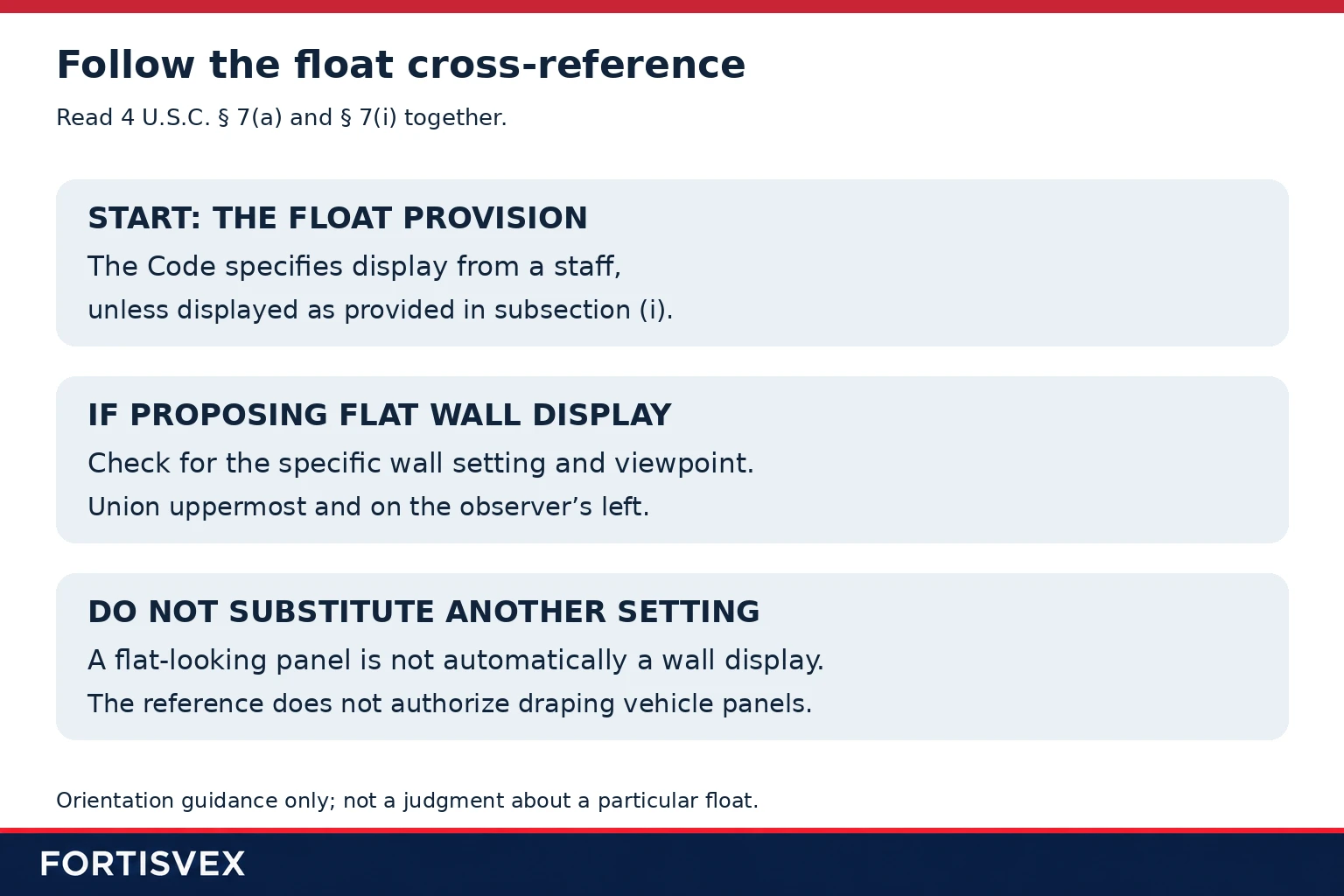
4 U.S.C. § 7(a) says a flag on a parade float should be displayed from a staff unless it is displayed as provided in subsection (i). That reference matters. The Code is not saying that any flat surface or decorative use on a float qualifies.
Subsection (i) addresses a flag displayed flat against a wall, horizontally or vertically. The union, the blue field of stars, should be uppermost and on the observer’s left. Review the location and the observer’s viewpoint as separate details. The presentation flag guide illustrates why viewpoint matters on a stationary wall or platform. Its speaker-and-audience placement guidance is not a float rule.
Keep the vehicle separate from the flag’s position
Subsection (b) separately says not to drape the flag over the hood, top, sides or back of a vehicle, railroad train or boat. Its separate provision for a flag displayed on a motorcar concerns a staff. Do not use the float’s reference to flat wall display to justify draping an actual flag across vehicle panels.
If the design calls for patriotic color across a vehicle rather than a displayed flag, keep those choices distinct. The Code describes red, white and blue bunting as decoration in § 8(d); it is not the same object as a U.S. flag used as a drape. This distinction does not approve any material, location or method for decorating a particular vehicle.
A flag beside the float is not necessarily on it
If people carry the U.S. flag alongside or ahead of a float, review the carried arrangement on its own merits. The procession flag guide explains marching right and the alternative of carrying the U.S. flag ahead of the center of a line of other flags. Those positions answer a formation question, not a question about displaying a flag on the float itself.
Hand off the decision before anyone sets up
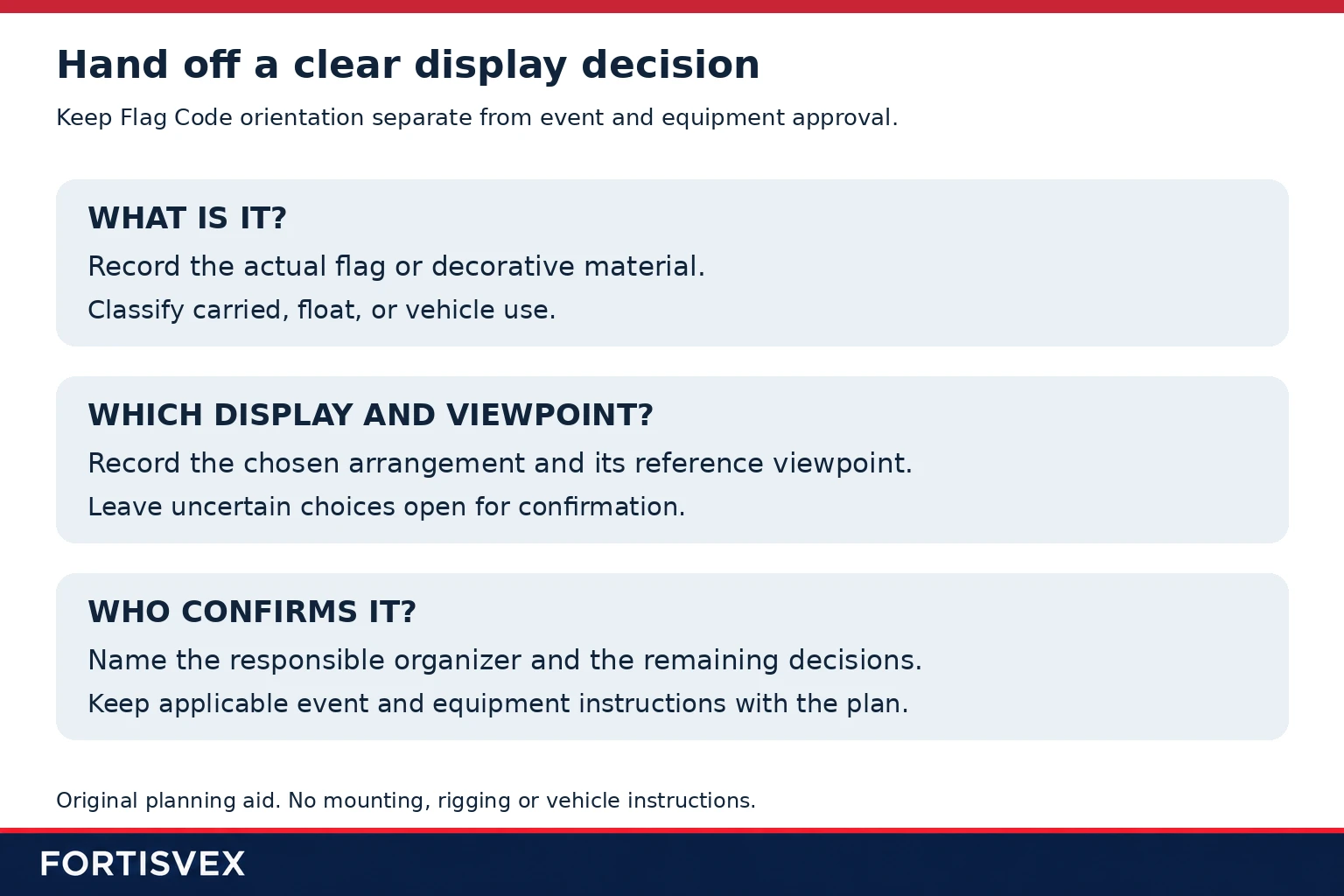
Write down which arrangement the organizer intends, whether the item is an actual flag or decoration, and who has confirmed that the proposed use is allowed. For a flat display, name the wall and the reference viewpoint rather than labeling a photograph simply “left.” If neither the site nor the mode of display is settled, leave the choice open.
Ask the responsible organizer to resolve event and equipment requirements separately. The event flag kit handoff checklist helps record what each person is bringing and who will receive it. Neither that checklist nor a Flag Code orientation diagram approves the float structure, route, placement, attachment or operation.
Recent Posts
-
A U.S. Flag on a Parade Float: Staff Display, Flat Display, or Decoration?
On a parade sketch, a hand-carried flag, a flag on a float and patriotic fabric on a vehicle can all …Nov 19th 2026 -
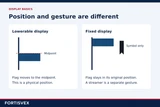
When a U.S. Flag Cannot Be Lowered: A Mourning Streamer Is Not Half-Staff
You have a half-staff notice in hand, but the U.S. flag at your entrance hangs from an angled staff …Nov 19th 2026 -
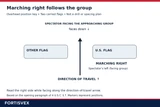
Where Does the U.S. Flag Go in a Procession? Two Layouts to Label Before Marching
A procession plan needs a direction of travel, not just a note saying “flag on the right.” Someone w …Nov 19th 2026