
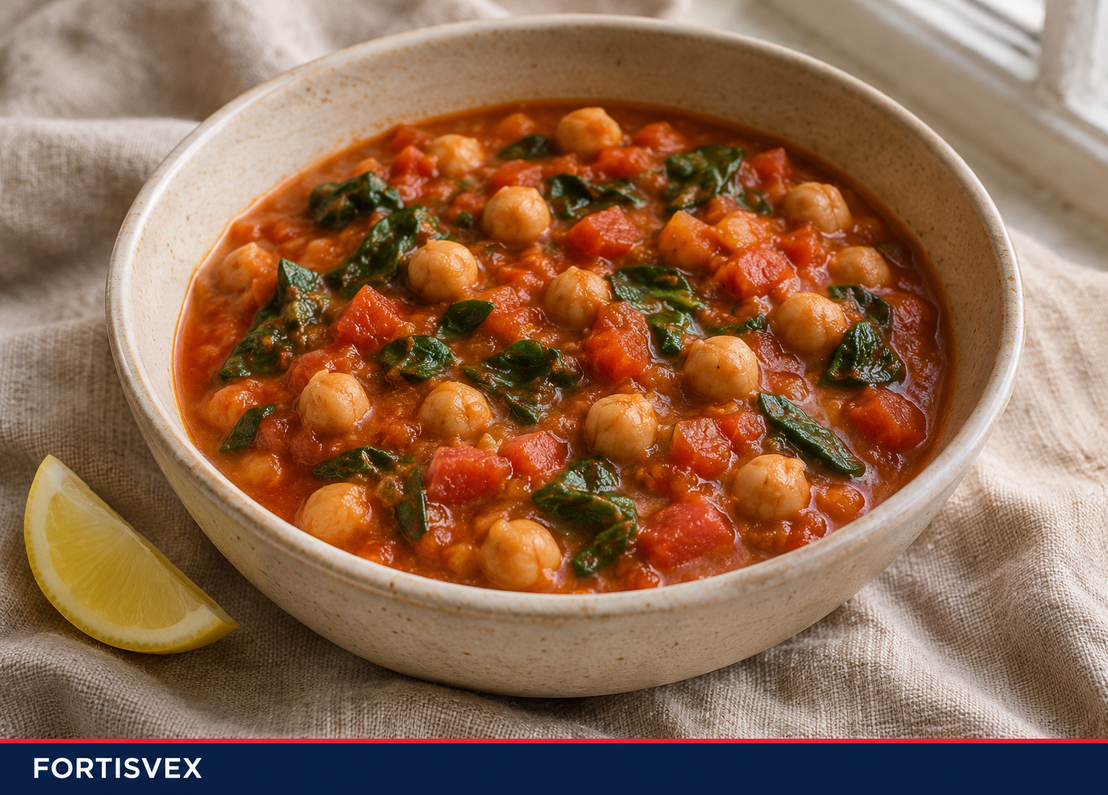
Pressure-Cooker Smoky Tomato Chickpea and Spinach Stew
Pressure-cook dried chickpeas until tender, then turn them into a smoky tomato stew in the same pot. The chickpeas cook in thin broth first, without the tomatoes. Add tomatoes after checking tenderness, then fold in baby spinach just before serving so it keeps some color.
Serves: 4 as a main. Soak: 4 hours or overnight in the refrigerator. Active time: About 20 minutes. Pressure cook: 35 minutes on High, plus pressurization and complete natural release. Allow roughly 75–125 minutes after soaking; older beans can take longer.
Ingredients
- 1 cup dried chickpeas, picked over and rinsed
- 4 cups cold water for soaking, discarded
- 1 tablespoon olive oil
- 1 medium yellow onion, diced
- 3 garlic cloves, minced
- 1 teaspoon sweet smoked paprika
- ½ teaspoon ground cumin
- 2 cups thin low-sodium vegetable broth
- ½ teaspoon fine salt, plus more to taste
- 1 can (14½ ounces) diced tomatoes, with their juice
- 3 ounces baby spinach, roughly chopped if leaves are large
- 1 tablespoon fresh lemon juice, plus 4 lemon wedges for serving
- ¼ teaspoon ground black pepper
Soak and pressure-cook the chickpeas
- Soak the chickpeas in the 4 cups cold water in the refrigerator for at least 4 hours or overnight. Drain and rinse. Rinse the spinach and lemon under running water unless the spinach is labeled ready-to-eat. Set the tomato and spinach aside for after pressure cooking.
- Use the North American Instant Pot Duo 60 v5 (6 quarts). Check the model label and use its manual. The controls and fill limits below are for that model. Check the seal and valve and use the correct inner pot and lid. On Sauté, heat the oil and soften the onion for about 5 minutes. Add the garlic, smoked paprika and cumin; stir for about 30 seconds. Cancel Sauté.
- Pour in the broth and scrape the bottom clean with a wooden spoon to dislodge browned bits. Add the drained chickpeas and salt. Keep the pressure-cooking load at or below your cooker’s half-fill mark for beans; don’t double this batch by default. Use at least the 2 cups of thin broth listed. If the beans are not fully submerged, add just enough water to cover them without going over the half-fill line. If you cannot do both, do not start the pressure cycle.
- Lock the lid and set the steam release switch to Seal. Press Pressure Cook, use Pressure Level to select High, then set 35 minutes with the + or − buttons. Press Keep Warm to turn it off. When cooking ends, leave the switch at Seal until the float valve drops into the lid on its own. Do not quick-release beans or force the lid. Open away from your face after full depressurization.
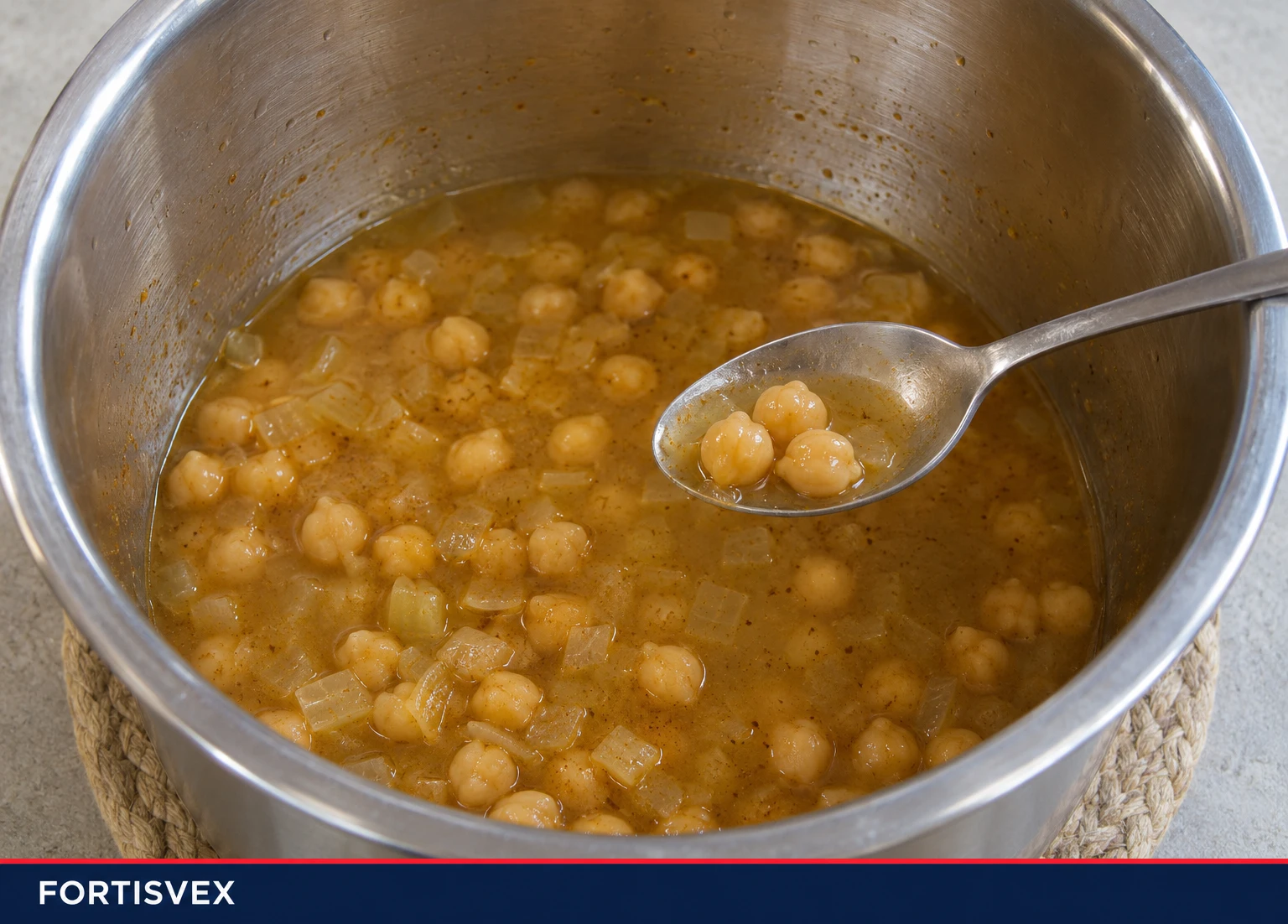
- Test several chickpeas. They should be creamy all the way through and mash readily with a fork. If any are firm or chalky, keep the tomatoes out and simmer on Sauté with the lid off until the beans are tender, adding hot broth if needed to keep them submerged. Canned beans are already cooked and do not need this pressure cycle.
Finish with tomato and spinach
- Stir the undrained tomatoes into the tender chickpeas. Simmer uncovered on Sauté for about 8–12 minutes, stirring occasionally, until the broth starts to coat a spoon. Mash about ½ cup of the chickpeas against the side of the pot and stir them back in if you prefer a thicker stew.
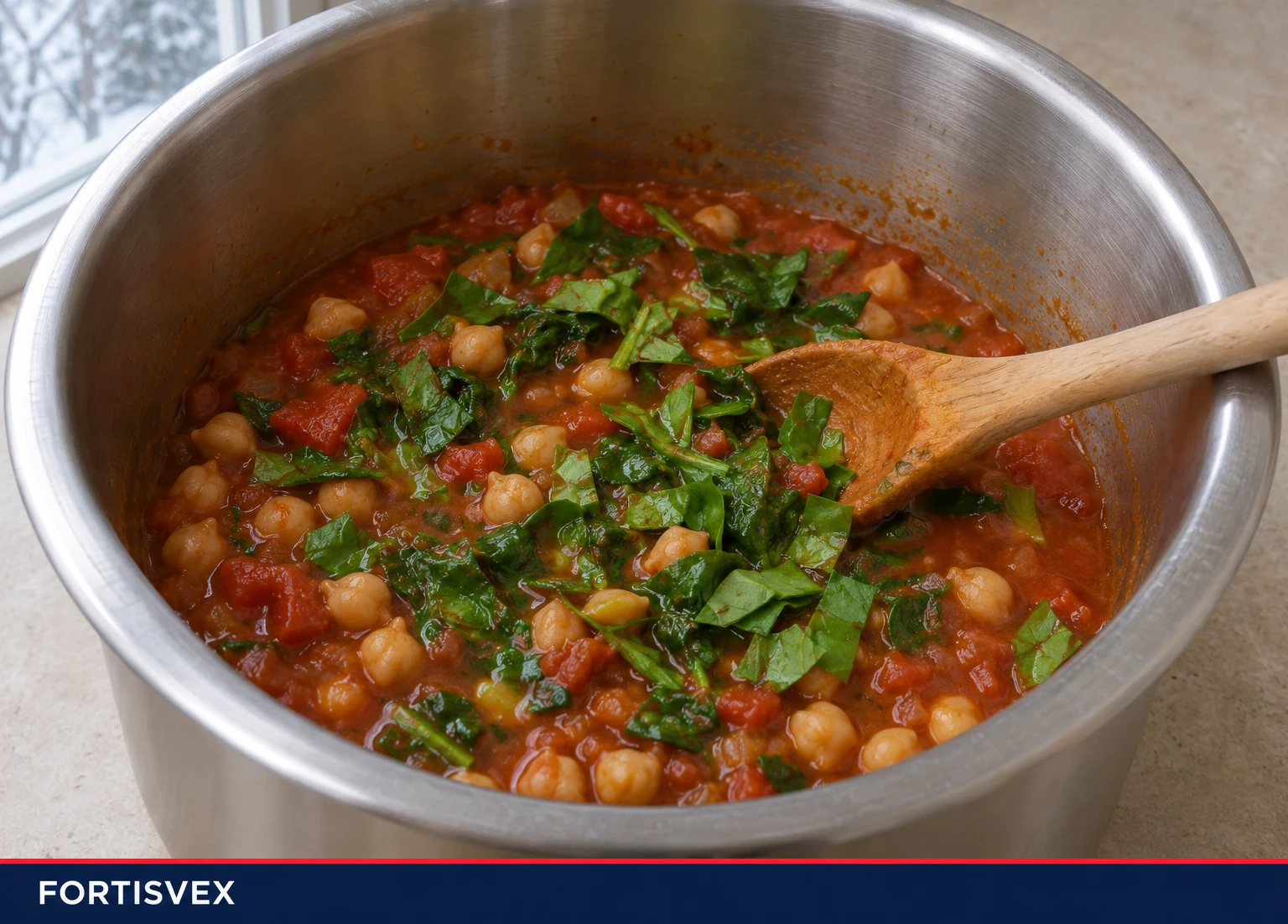
- Add the spinach and stir until wilted, about 1–2 minutes. Cancel Sauté. Stir in the lemon juice and black pepper, taste for salt, and ladle into bowls with the lemon wedges alongside.
If you’re planning another chickpea dinner, roasted butternut squash and chickpea bowls take the legume in a different direction. Serve this stew with cool lemon-dill roasted beets if you want a contrasting side; that side contains milk and tree nuts. The oven is also free for baked pears with walnut-oat crumble.
Store and reheat safely
Divide leftovers into shallow containers and refrigerate at 40°F or below within 2 hours of cooking or taking them off hot holding, or within 1 hour above 90°F. Use refrigerated stew within 3–4 days. On the stovetop, bring it to a rolling boil while stirring, and make sure it reaches 165°F throughout. Add a splash of broth if it thickens in storage. Check broth and other packaged ingredient labels for any allergens relevant to you.
Recent Posts
-

Will a Vinyl Flagpole Snap Cover Fit? Check More Than Length
A vinyl flagpole snap cover can be shorter than the snap it is paired with. The cover sits over the …Nov 25th 2026 -
West Virginia Flags at Half-Staff for Beckstrom and Wolfe, November 26–27, 2026
West Virginia will lower the U.S. and West Virginia flags at the State Capitol Complex and at all st …Nov 25th 2026 -

Weber Charcoal Kettle Carrots With Cumin and Lemon Yogurt
The hardest part about grilling carrots is not finding enough heat. It is keeping the thin ends from …Nov 25th 2026