
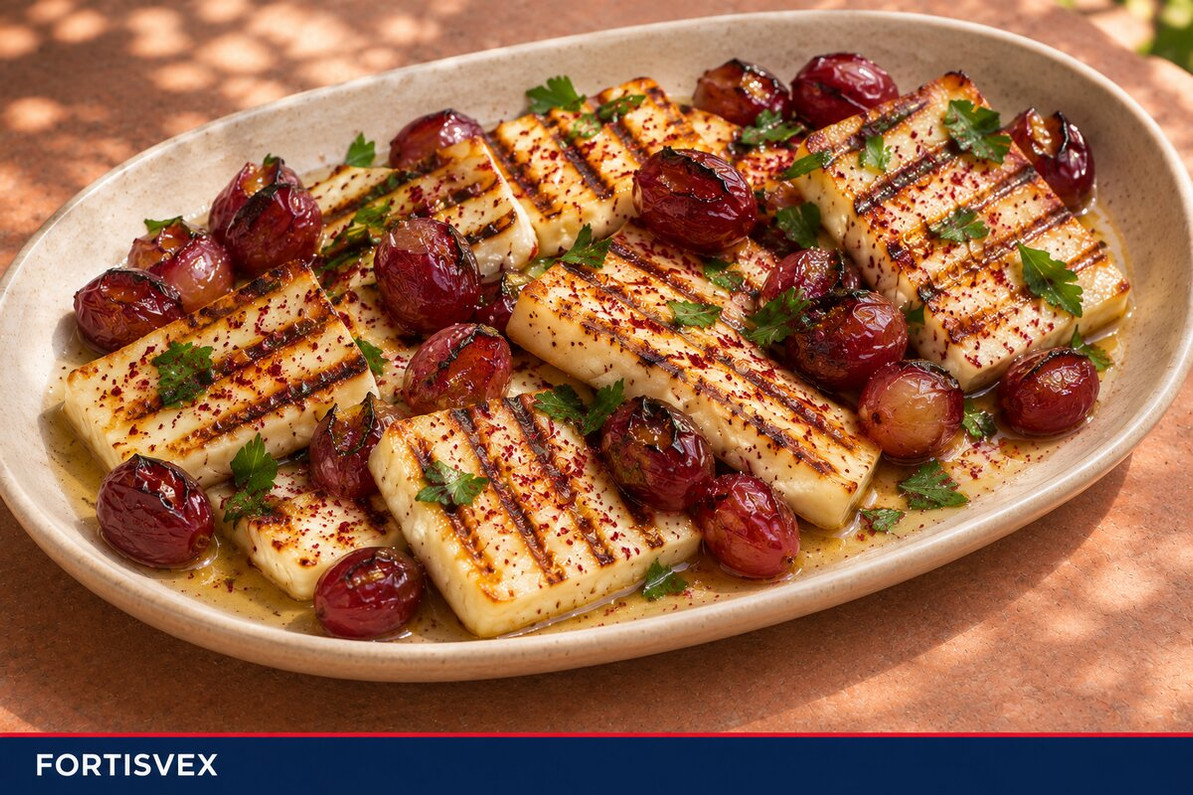
Weber Charcoal Kettle Grilled Halloumi with Blistered Red Grapes
Grill thick halloumi slices and skewered red grapes separately over medium heat on a Weber charcoal kettle. The grapes only need a few minutes to blister; the cheese needs time to brown on each side. Bring them together on the plate and add the lemon-sumac dressing off the grill.
Yield: 4 starter portions. Prep: about 15 minutes. Grill: about 8–12 minutes after the kettle is ready. Equipment: Weber charcoal kettle with lid, charcoal chimney and briquettes, 2–3 flat stainless-steel skewers, long tongs, dry heat-resistant grill gloves, thin metal spatula and two clean platters. Metal skewers stay hot long after they leave the grate.
Ingredients
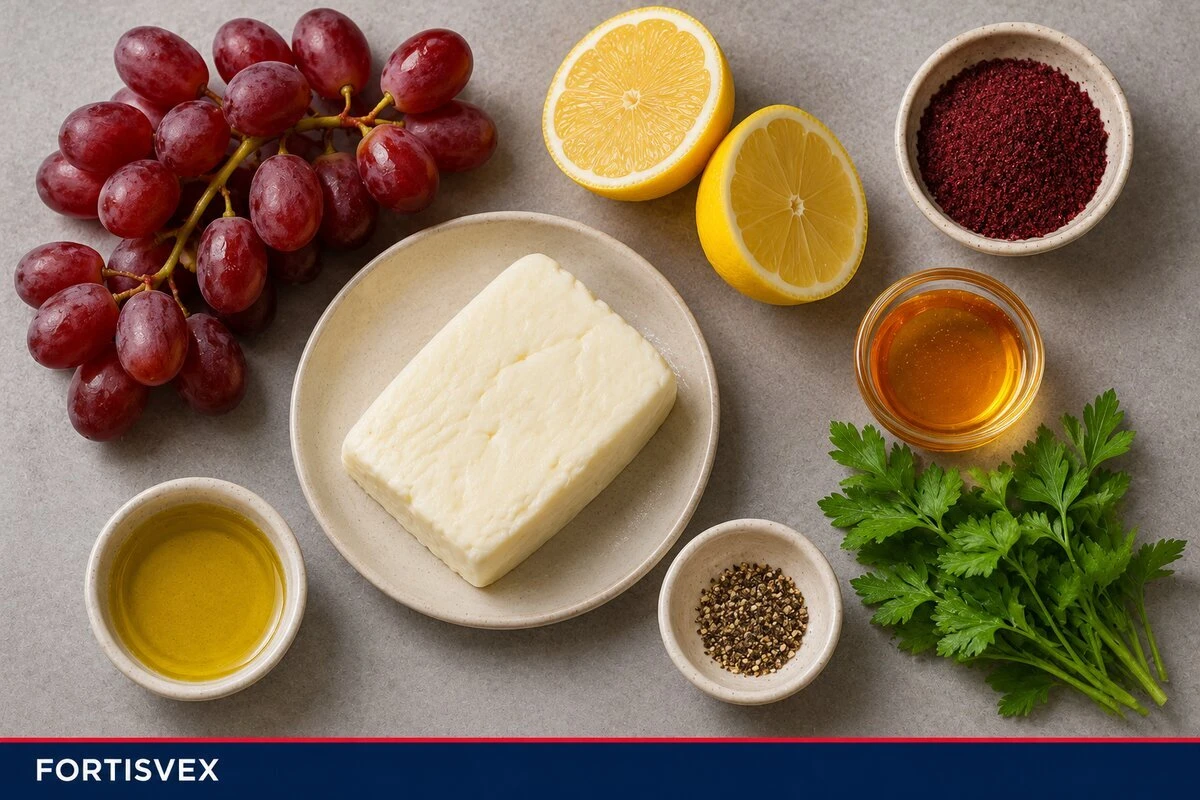
- 8 ounces plain halloumi, drained
- 1½ cups seedless red grapes, stemmed, rinsed and dried
- 2 tablespoons olive oil, divided
- 1½ tablespoons fresh lemon juice
- ½ teaspoon ground sumac
- 1 teaspoon honey
- Freshly ground black pepper, to taste
- 2 tablespoons roughly torn fresh flat-leaf parsley
Contains milk. If serving this as a vegetarian starter, check the cheese label for non-animal rennet.
1. Set up the kettle and make the dressing
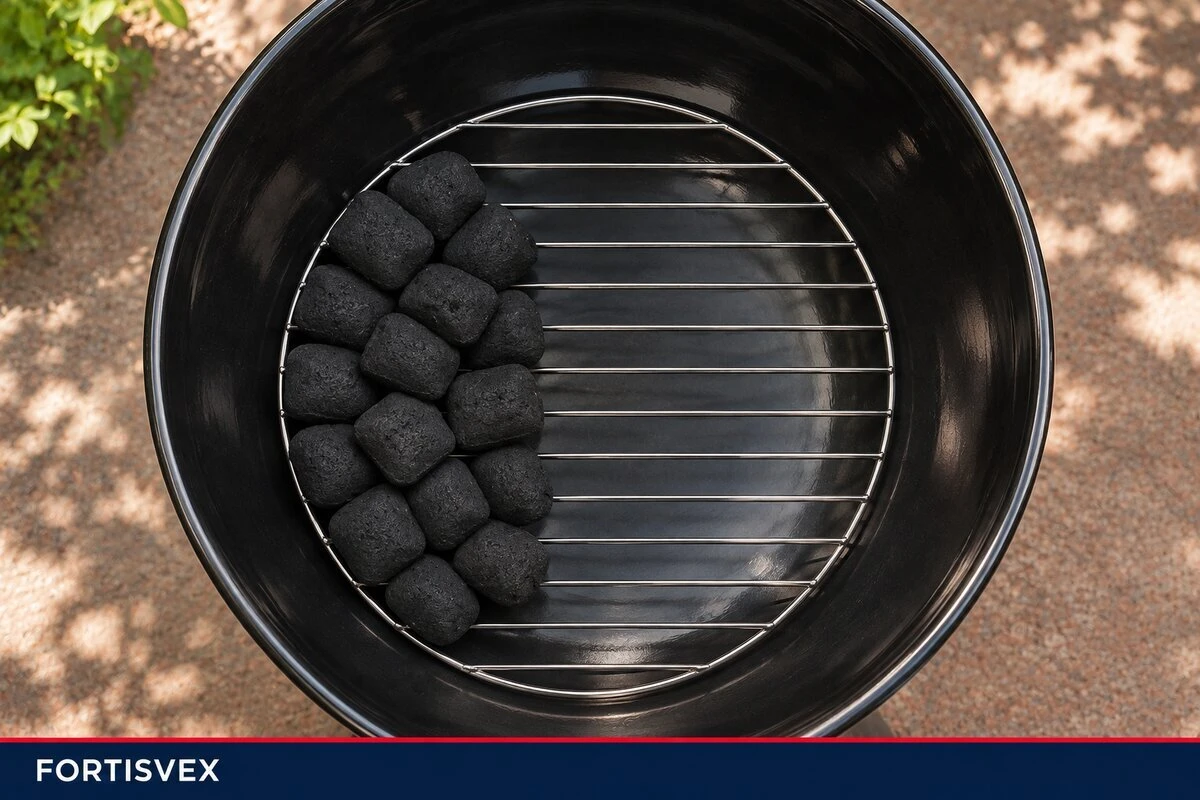
Use charcoal only outdoors in open air, with the kettle on a firm, level surface away from buildings and combustible items. Light the charcoal according to your equipment instructions. Bank the lit briquettes on one side of the lower grate, leave the other half clear, and install the cooking grate. Close the lid and preheat to medium heat, about 375–425°F. The coal-free half of the grate gives you somewhere to move the cheese if it browns too quickly.
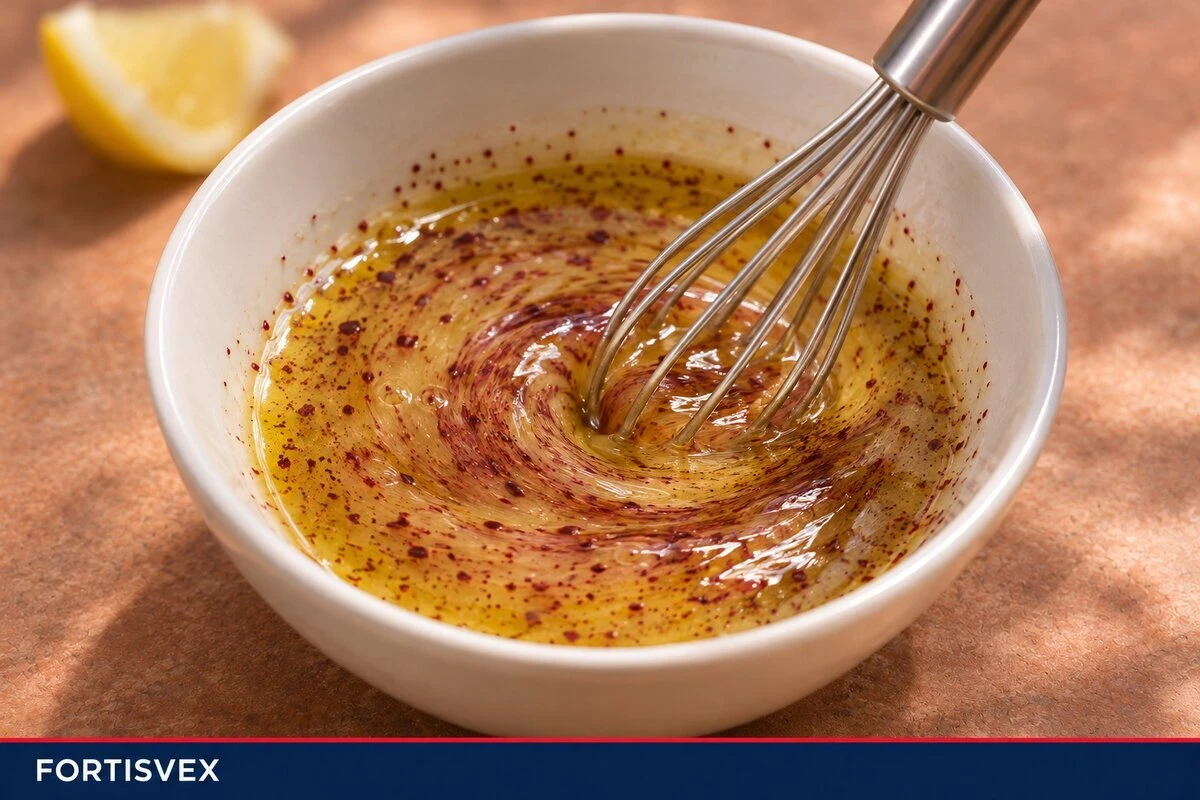
Whisk 1 tablespoon olive oil with the lemon juice, sumac, honey and a little pepper in a clean small bowl. Set it aside. Do not add extra salt before tasting the finished dish; halloumi is already salty.
2. Cut the halloumi and thread the grapes
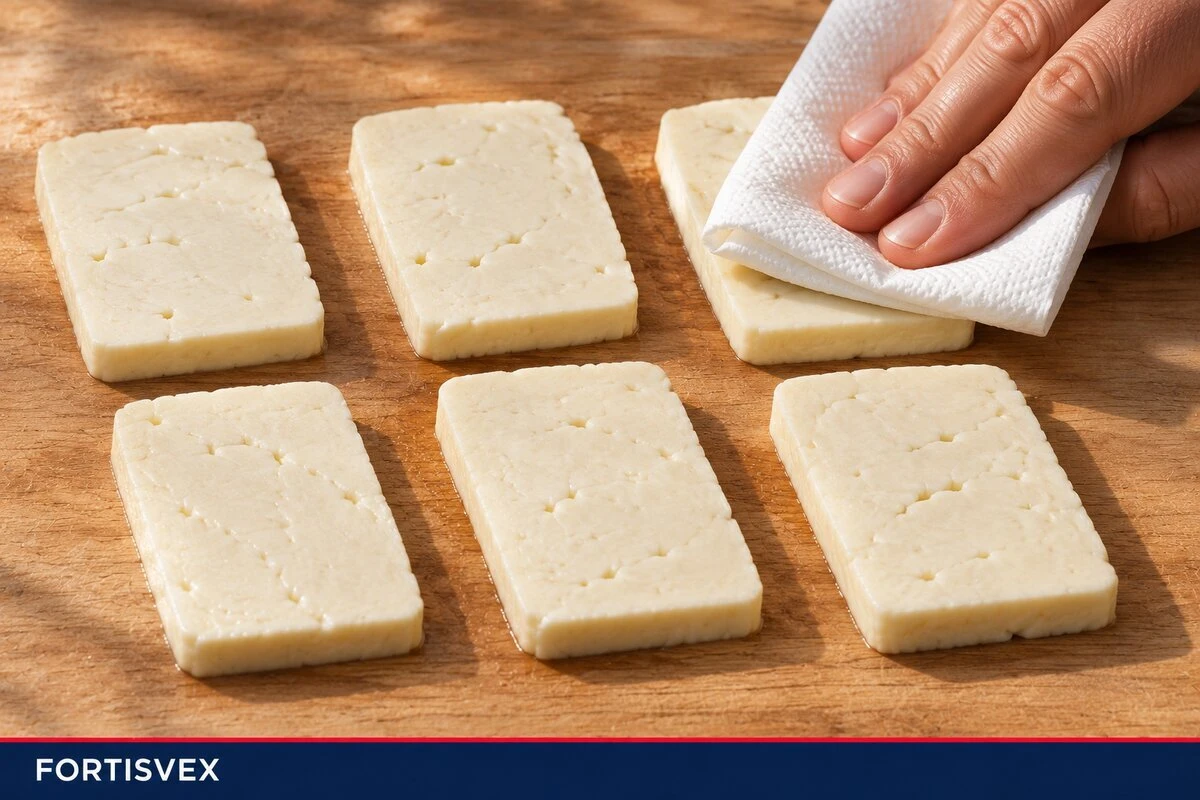
Slice the halloumi across its short dimension into pieces about ½ inch thick. Pat the slices dry with a paper towel and use most of the remaining tablespoon of oil to coat both sides lightly. Do not marinate the cheese in the dressing; the wet surface sticks more easily, and the honey can scorch.
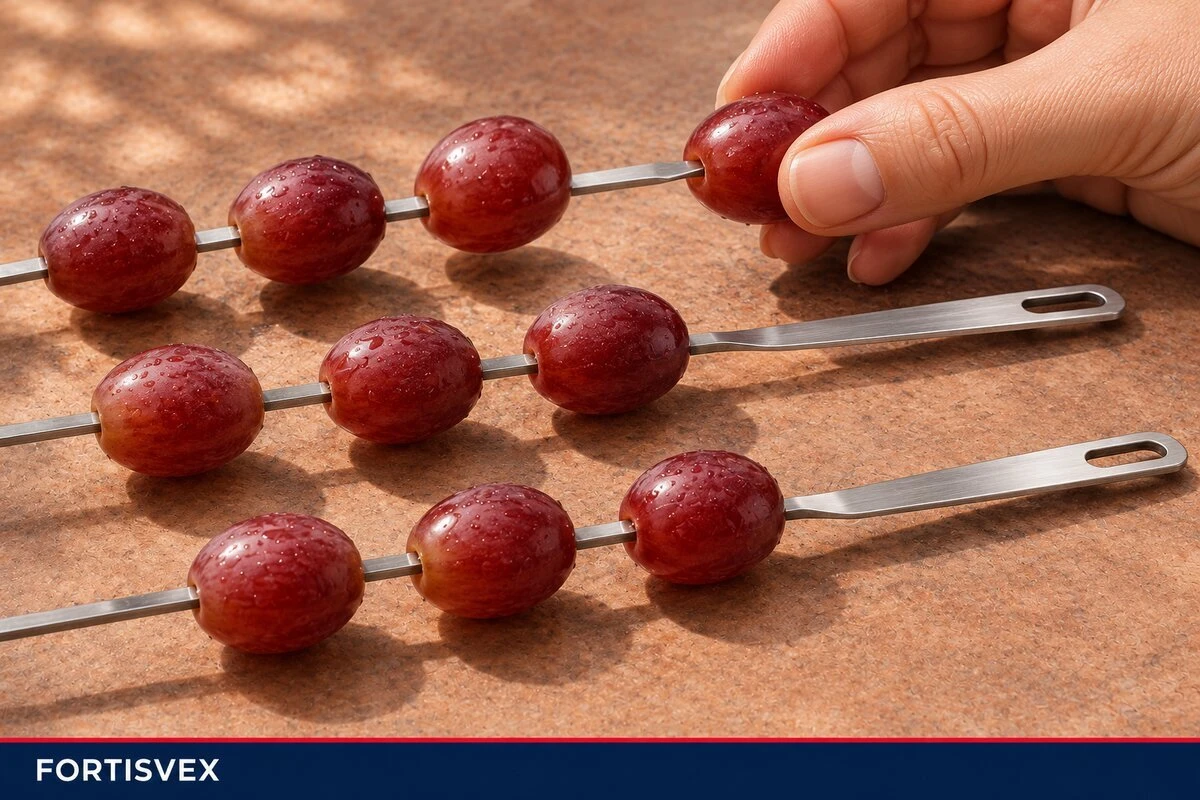
Thread the dry grapes onto flat metal skewers, leaving a small gap between grapes and clear handles at the ends. Rub them lightly with the last of the oil. If your grapes are too small to thread securely, use a grill-safe fine-mesh basket instead and shake it gently once or twice.
3. Blister the grapes
Lay the skewers on the upper cooking grate directly above the charcoal bank, with the handles extending toward the coal-free side.
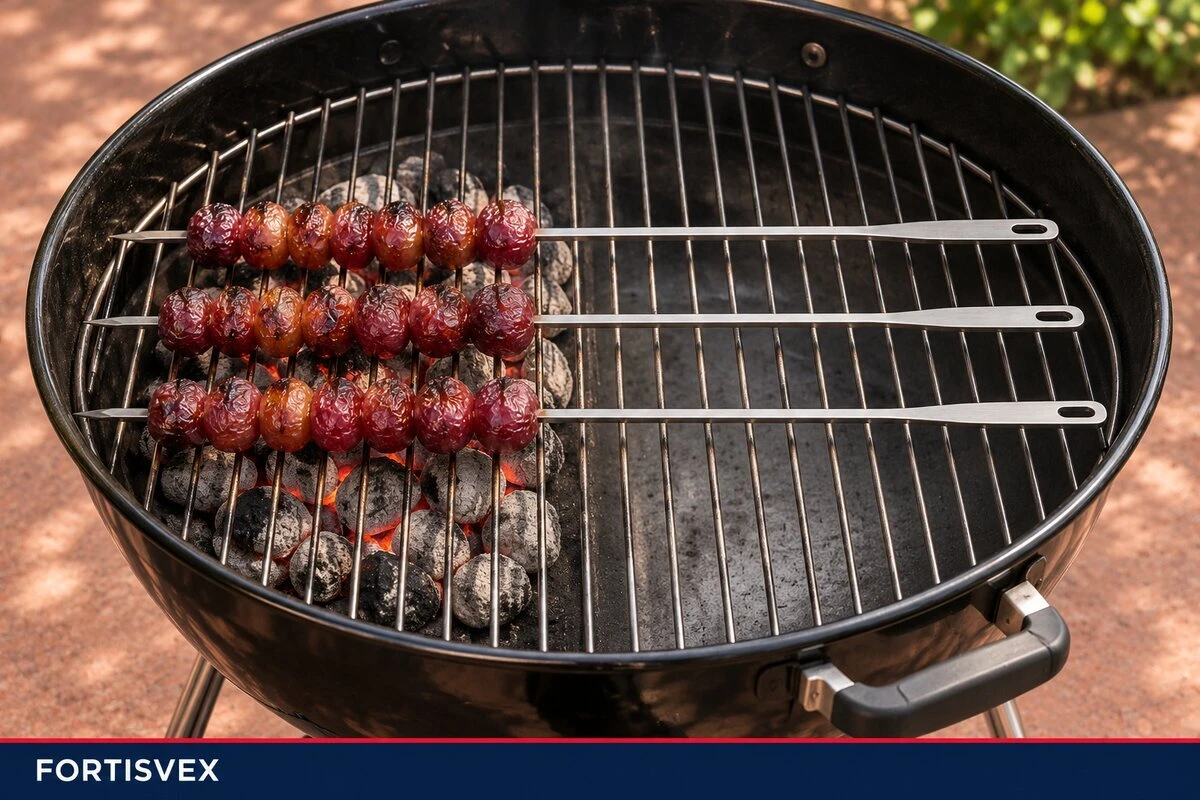
Turn them with tongs after about 1½–2 minutes and cook about 1½–2 minutes more, until the skins blister in places. Take the fruit off before most grapes split or slide off. Put the hot skewers on a clean heatproof platter. Use tongs to slide the grapes off; do not grip the metal with bare hands. If using a basket, take it off with dry grill gloves and set it down on a heatproof surface before transferring the fruit.
4. Grill the cheese and finish the platter
Lay the cheese on the clean cooking grate above the charcoal in a single layer.
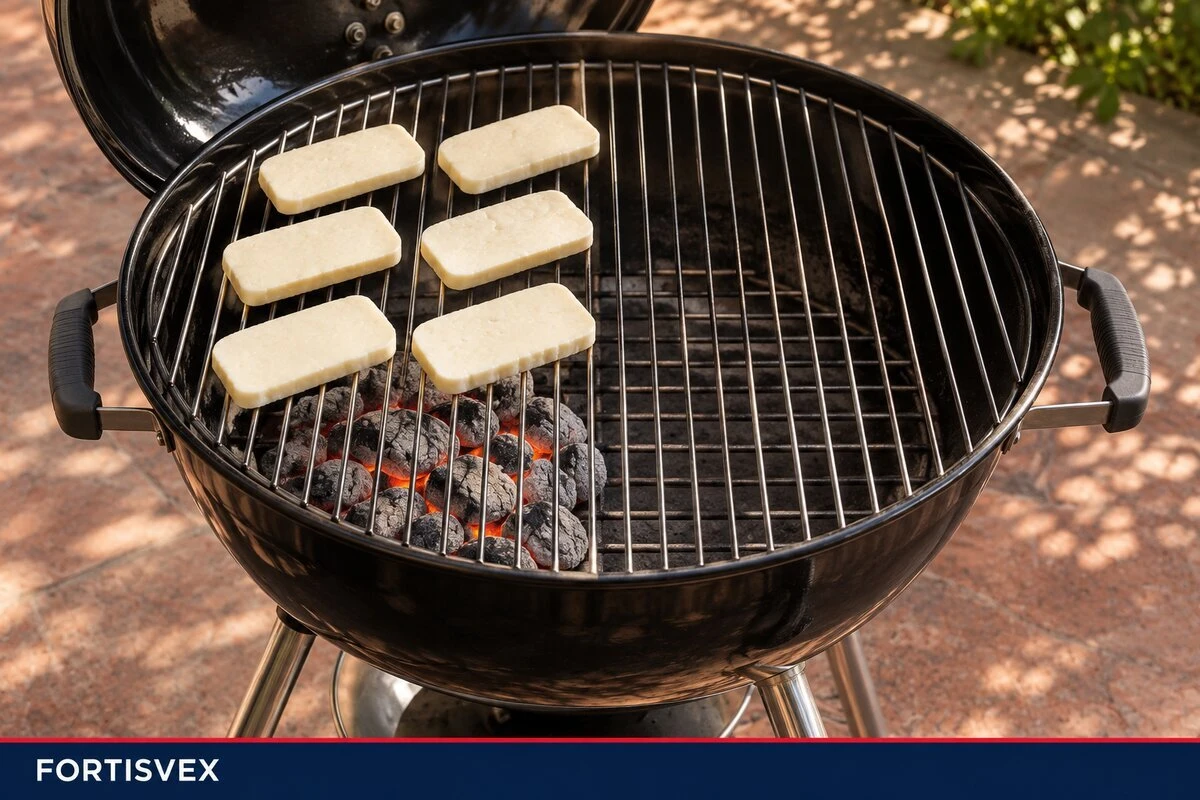
Close the lid and start checking after about 2 minutes. If a slice does not lift with a thin spatula, wait 20–30 seconds and try again. Once the underside is golden and releases cleanly, turn it and cook the other side about 1–2 minutes. Move any slice that darkens before it releases toward the edge of the fire as soon as you can lift it without tearing. Aim for browned edges and a warm center; the cheese should keep its shape.
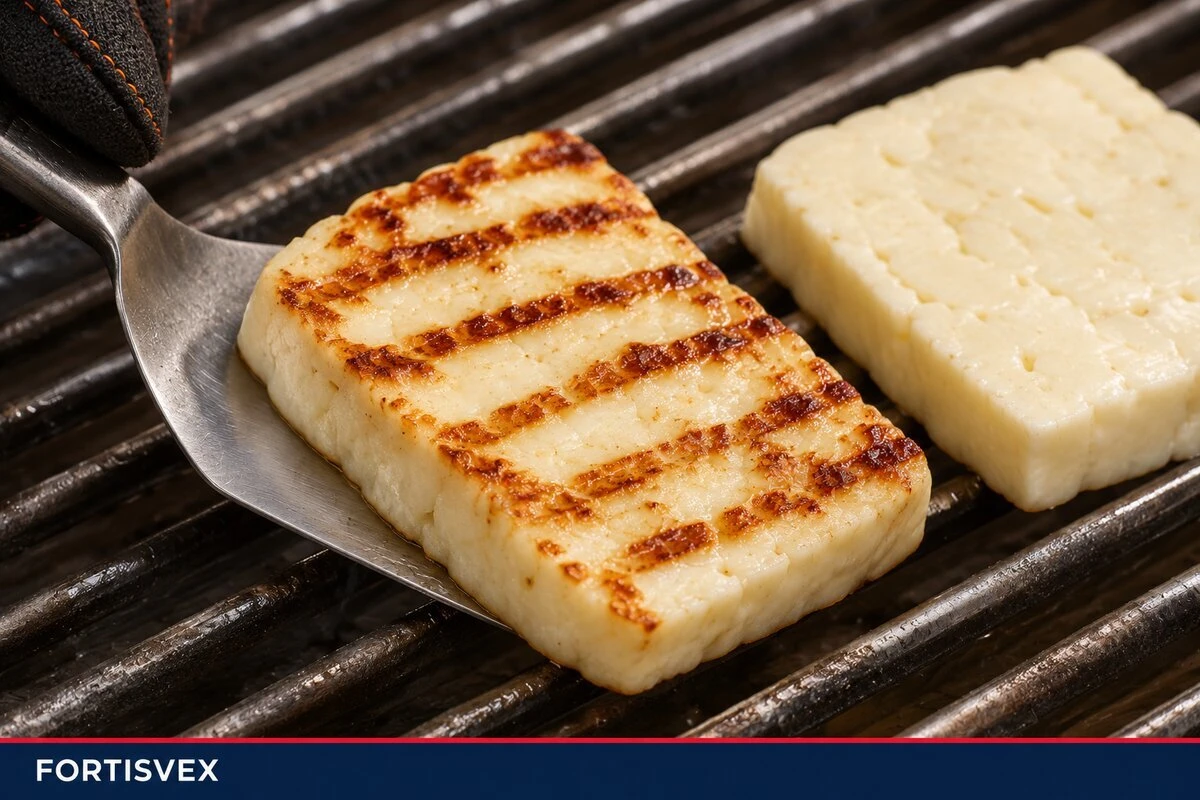
Transfer the halloumi to a clean platter while it is warm. Scatter the grapes over it, whisk the dressing again and spoon it on lightly.
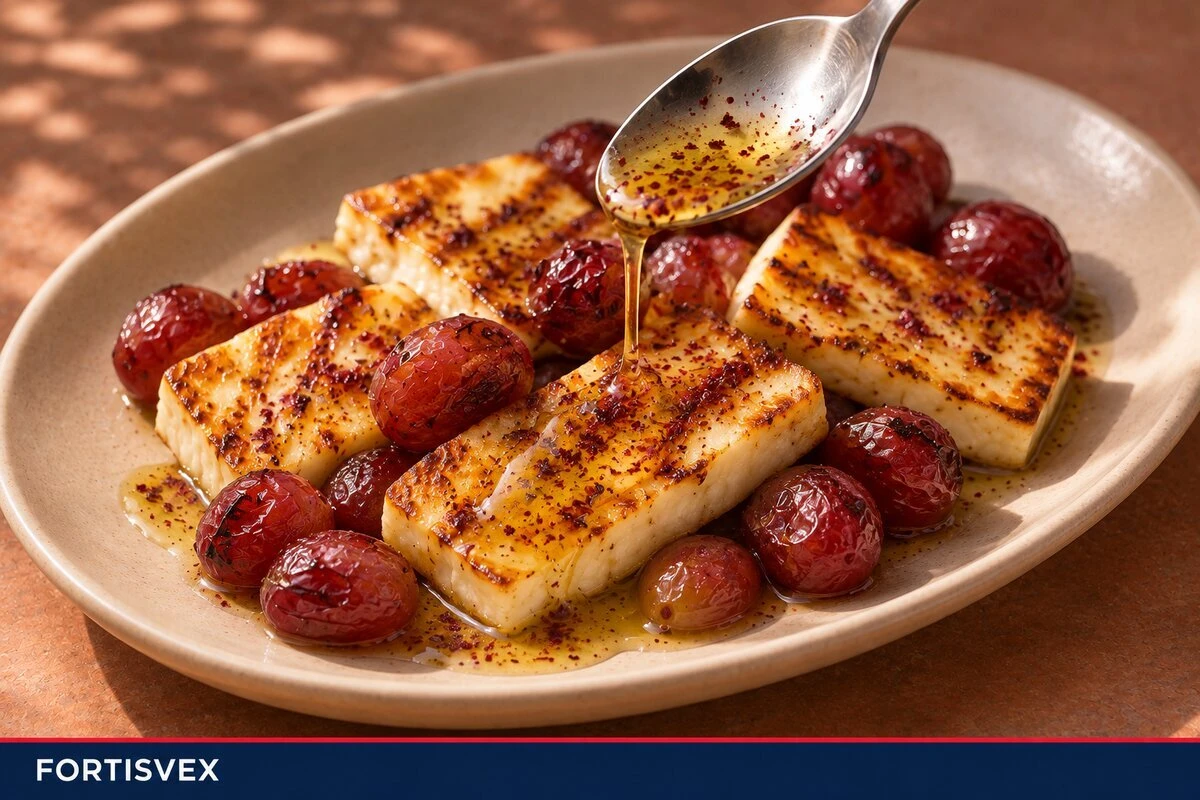
Finish with the torn parsley. Serve promptly. Halloumi firms up as it cools, so leave extra dressing on the side rather than letting the cheese soak on the platter.
What to serve with it
Make a small grilled plate with grilled radicchio with orange-caper dressing, or use charcoal-kettle polenta rounds to turn it into a more substantial meal. If you have another round of grilling planned, save grilled pineapple with lime and mint for dessert. The halloumi is best cooked just before it is served.
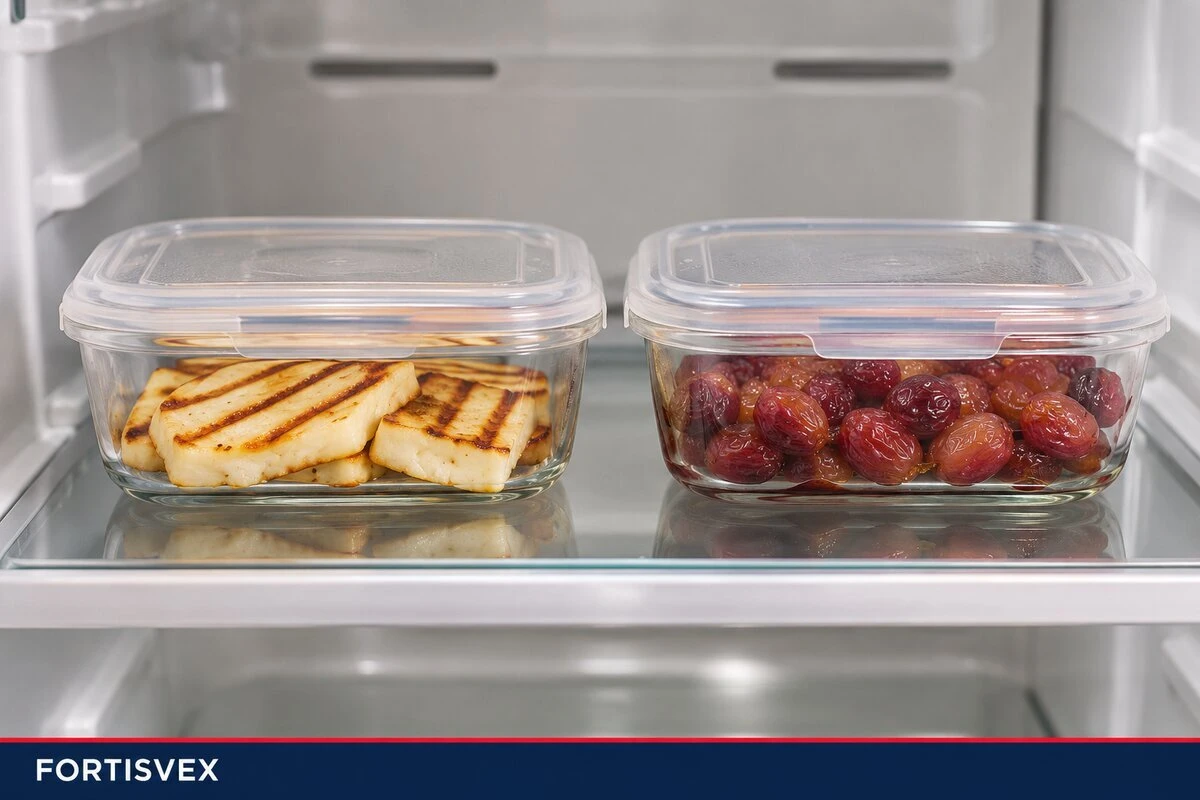
Chill leftovers in shallow containers at 40°F (4°C) or below within two hours, or within one hour if the outdoor temperature is above 90°F (32°C). Store the cheese and grapes separately for a better texture. Use within three to four days and reheat leftovers to 165°F (74°C) if serving them warm.
References: Weber’s charcoal owner’s guide (PDF) for cooking zones; CPSC charcoal safety; federal food handling and chilling guidance; federal guidance on using refrigerated leftovers within three to four days; and the federal reheating temperature chart.
If the preview does not open on your device, open Weber’s official owner’s guide directly.
Recent Posts
-
Weber Charcoal Kettle Grilled Zucchini Planks with Lemon-Tahini Sauce
Cut zucchini lengthwise instead of into coins and it’s easier to turn on a grill grate. A fast sear …Nov 29th 2026 -
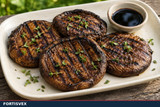
Weber Charcoal Kettle Grilled Portobello Mushrooms with Balsamic and Thyme
Whole portobello caps make a substantial meatless main without needing a grill basket. A short soak …Nov 28th 2026 -

Death of Strom Thurmond: George W. Bush Half-Staff Proclamation 7688
Historical record only. George W. Bush signed Proclamation 7688 on June 30, 2003, after the death of …Nov 28th 2026