
Lava Hot Springs, Idaho: The Portneuf River and the Town’s Public Springs
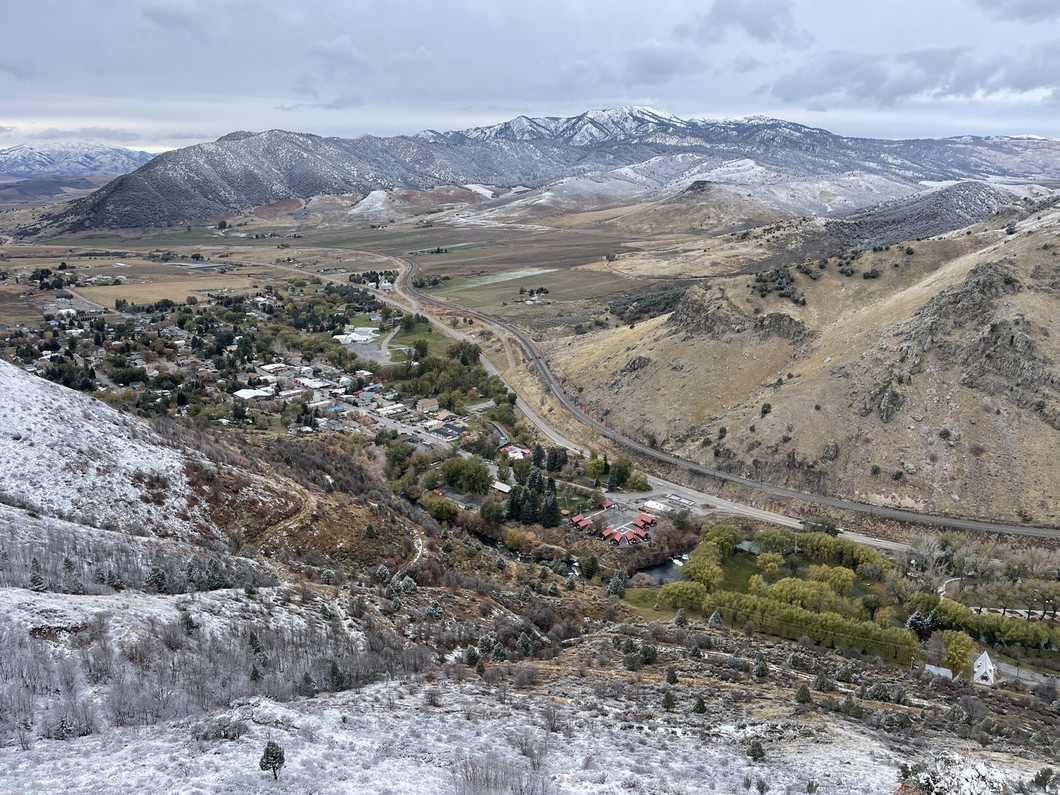
In Lava Hot Springs, Idaho, the Portneuf River and the town’s thermal springs are close enough to see on the same outing, but they tell different stories. The river shaped the valley and the way people cross it. The warm water became the focus of a public recreation property, with its own history of buildings and management. Start with the lay of the valley, then look at the street, the river crossing and the soaking pools.

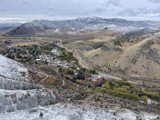
Cover: A 2022 view from the Idaho Centennial Trail puts the town, valley slope and transportation corridor in the same frame. Photo: Vulturesong, CC0 1.0; display copy resized and compressed.

Follow the channel, then look back toward Main Street
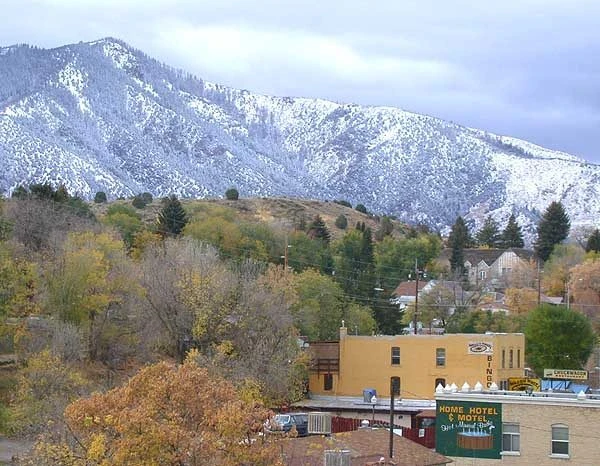
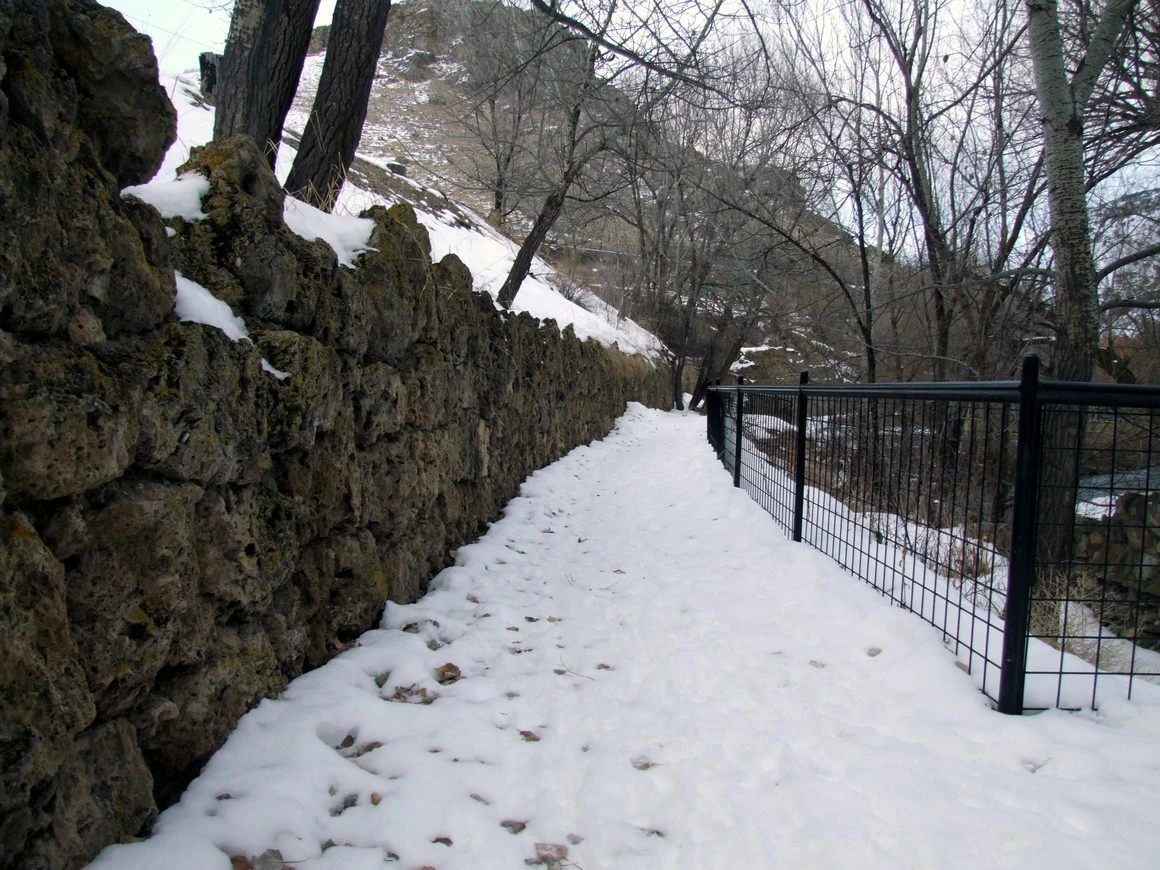
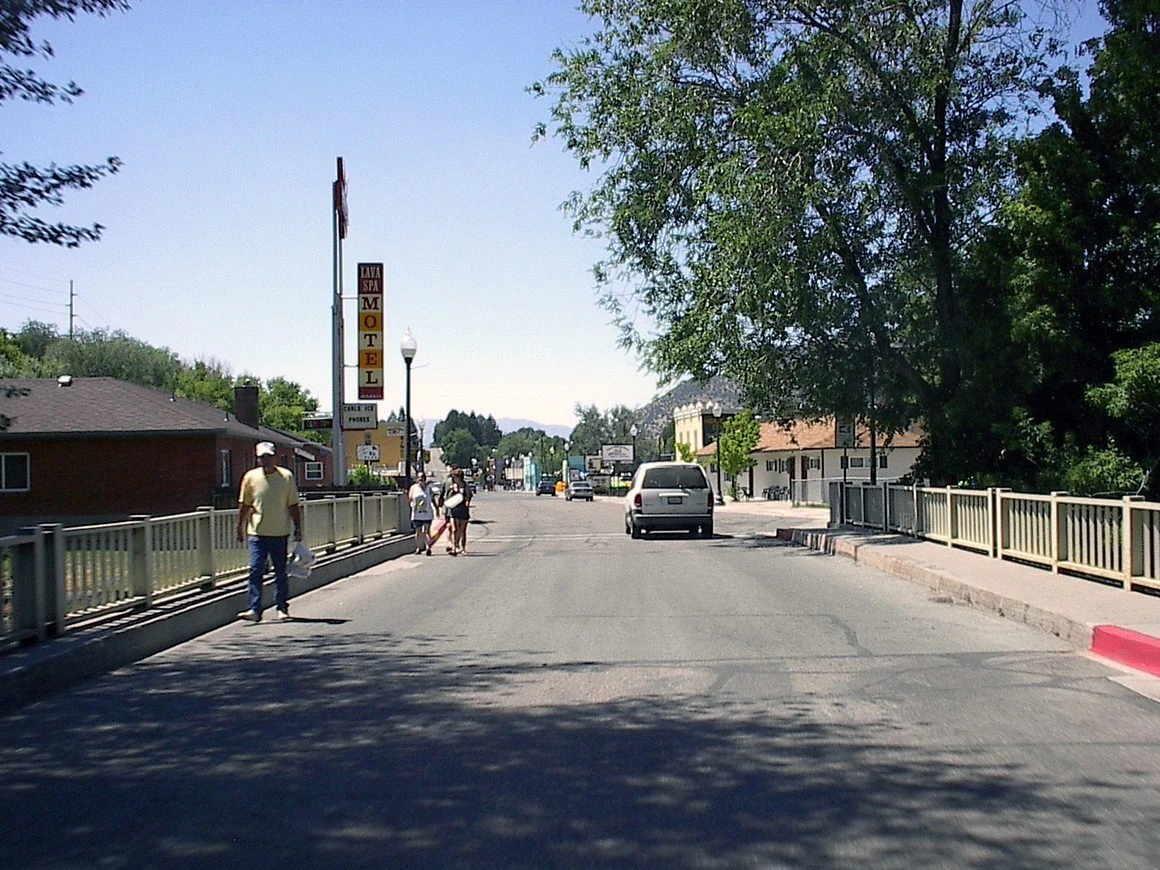
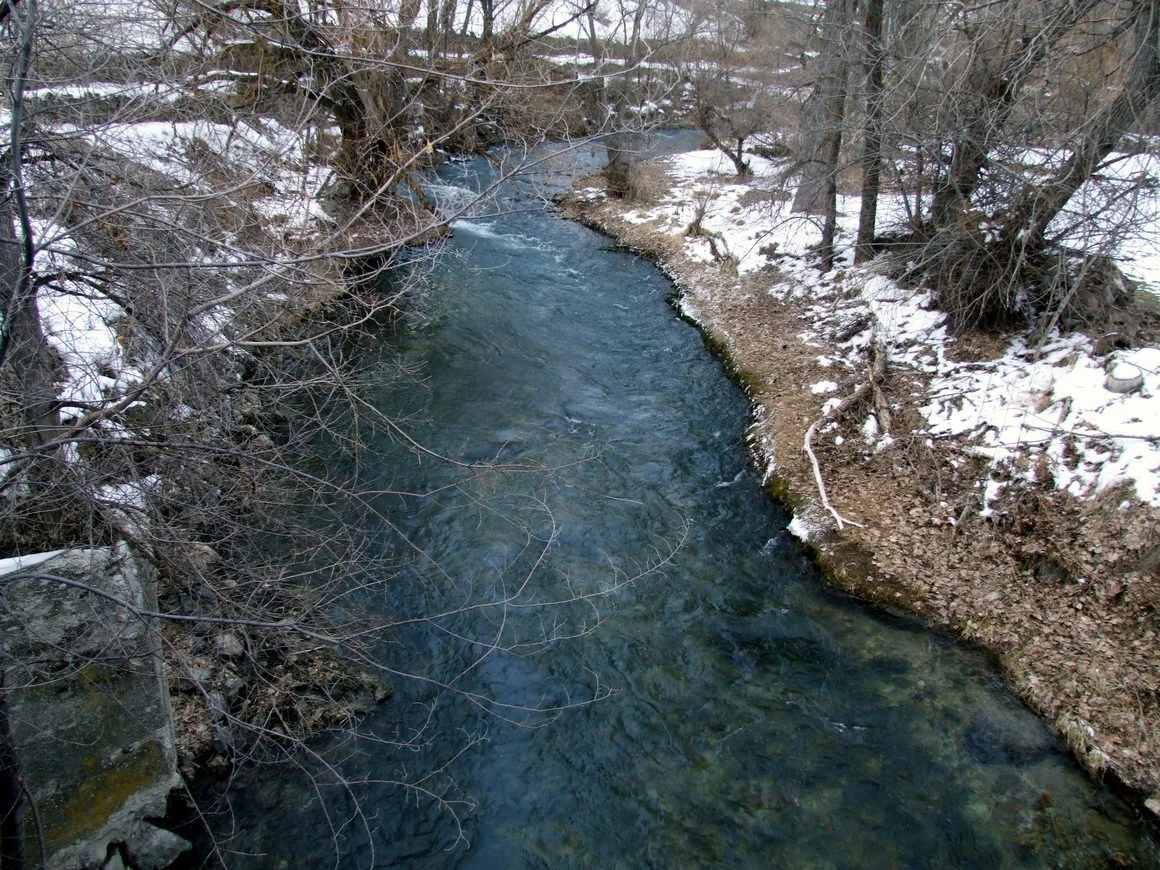
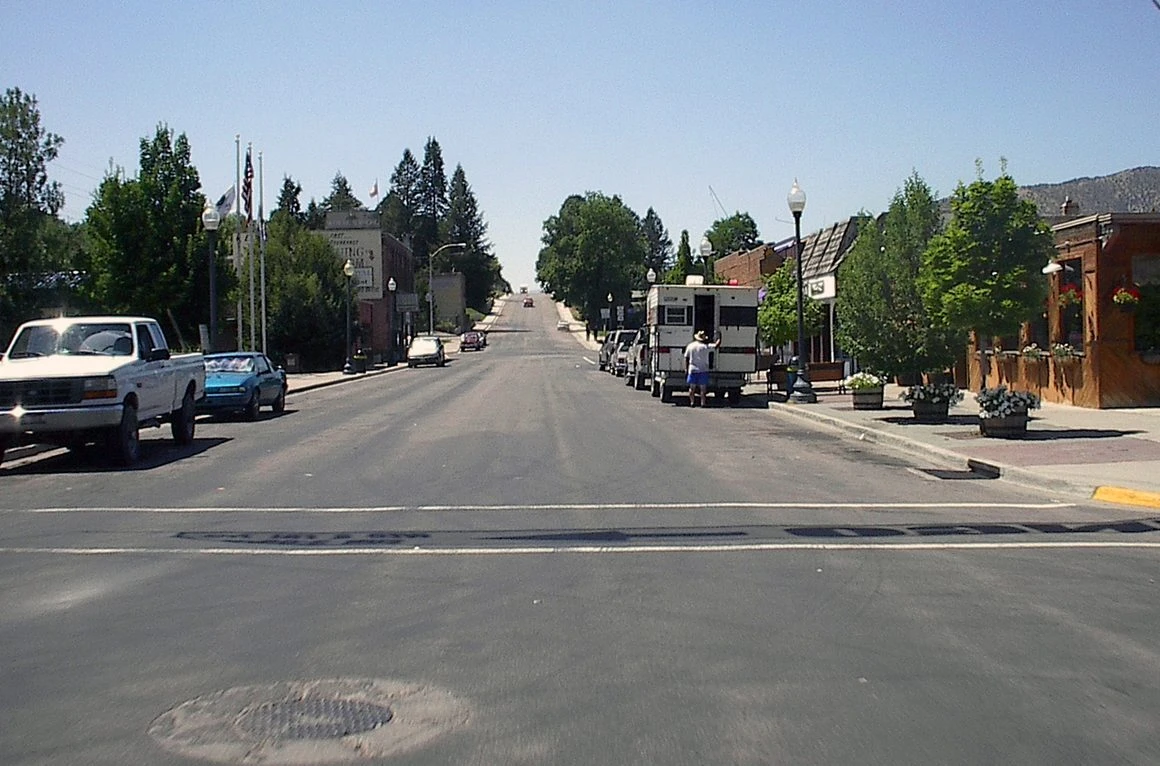
The Portneuf is the long feature in this short townscape. The river channel, the basalt wall beside a walking path and the street bridge show three ways the town meets the valley. The street bridge carries people across the river; pool walls instead contain water for an entirely different use. The 2003 Main Street photo adds another layer: the shops and services lining the road. The photographs document the scene when taken, not present crossing access or river conditions.




The public springs were built in stages
An Idaho attorney general’s opinion traces the site’s public administration to a 1902 federal land grant to the State of Idaho. That date is about the grant, not the discovery of the springs. The South Bannock County Historical Museum describes Native use of the hot waters before Euro-American settlement and interprets that history in a permanent exhibit.
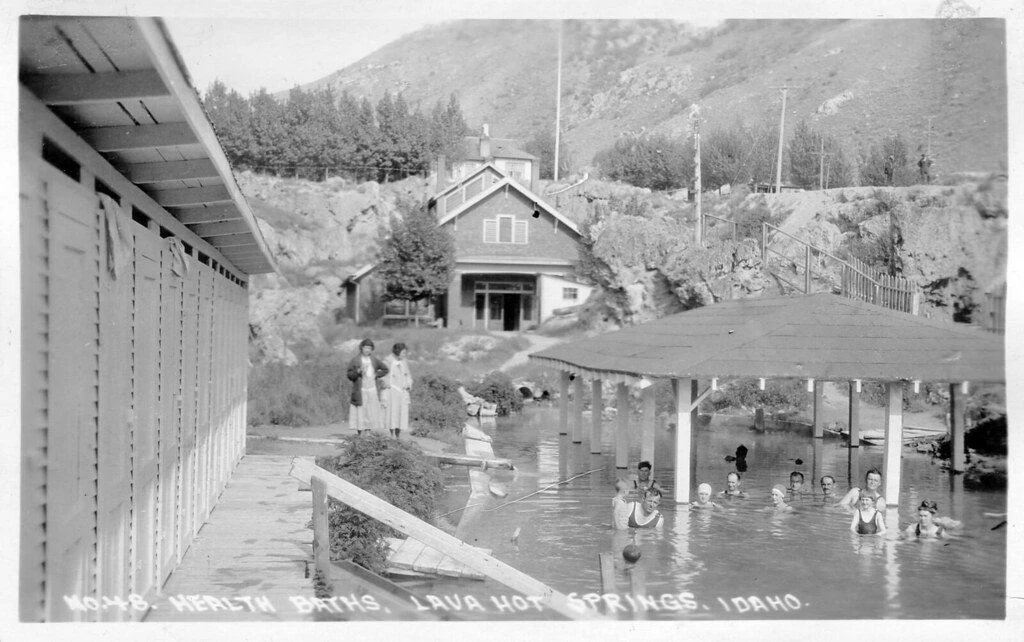
The opinion also records that in 1919 Idaho vested management with the Department of Welfare. In 1935 the state created the Lava Hot Springs Foundation and assigned it responsibility for the lands and property. Those are distinct steps: the federal grant, assignment to a state department, and creation of the Foundation. The circa-1920 postcard shows a built bath complex around that transition, not its precise construction date.
Look for a second kind of water use
An Idaho geothermal study documented a well and heat exchanger used to warm the swimming pool. That is different from bathing in a thermal spring pool. In the first case the geothermal water transfers heat through equipment; the pool is not simply a widened section of the river. In the second, the hot pools are a managed place to soak. For another example of water being directed toward a specific use, see our Grace, Idaho, water and powerhouse guide.
Use the right source for the next question
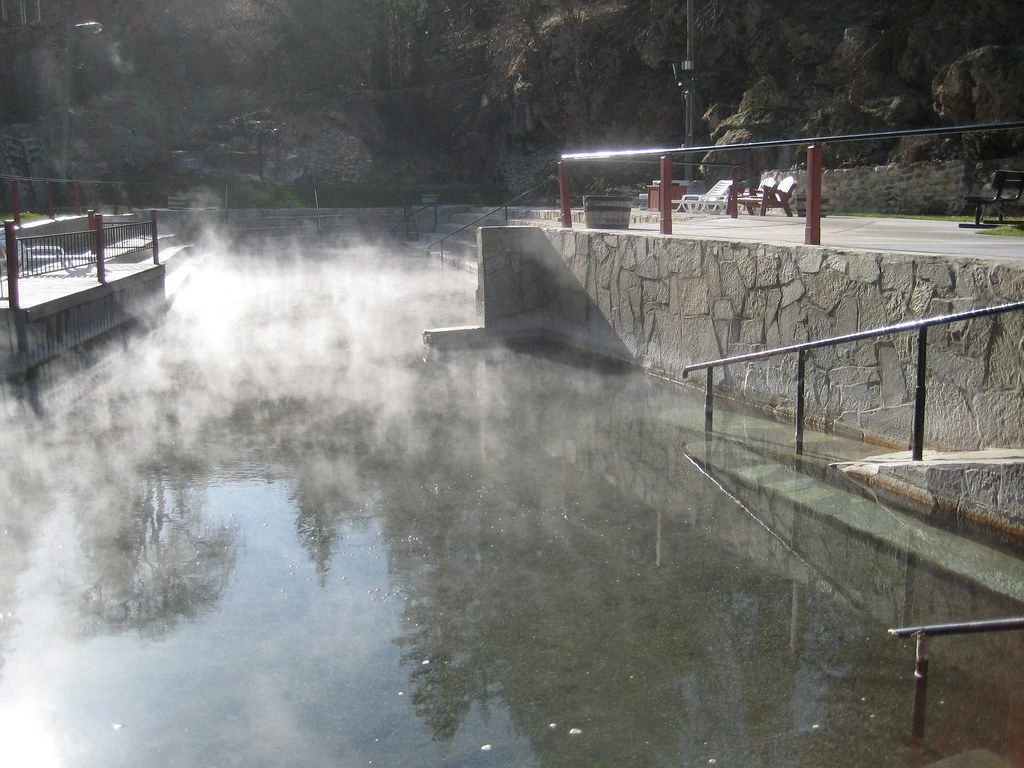
Check the City of Lava Hot Springs for municipal information and the state Foundation for its facilities. Neither archival images nor the presence of nearby swimming pools tell you whether entering the river is appropriate on a particular day. Photos of internal pool areas serve as historical or geographic references, not a report about current conditions.
For wider state context, see the U.S. statehood calendar and Idaho state flag reference. The old streetscape photographs do not establish what the buildings fly today.
Official reference: Idaho’s performance report for the Lava Hot Springs Foundation (PDF).
Recent Posts
-

Byron White Half-Staff Proclamation, April 2002
President George W. Bush signed Proclamation 7542 on April 17, 2002, to honor retired Supreme Court …Nov 27th 2026 -

Virginia Tech: George W. Bush Half-Staff Proclamation 8126
President George W. Bush ordered the United States flag flown at half-staff after the April 16, 2007 …Nov 27th 2026 -
Lava Hot Springs, Idaho: The Portneuf River and the Town’s Public Springs
In Lava Hot Springs, Idaho, the Portneuf River and the town’s thermal springs are close enough to se …Nov 27th 2026